What If You Could Feel Closer to Family Without Lifting a Finger?
Imagine missing your sister’s first baby steps or your grandparents’ birthday smile—simply because you’re miles apart. We’ve all felt that ache. But what if staying truly connected didn’t require perfect timing, tech skills, or hours of setup? Video calls can do more than just show faces—they can bring families together in real, meaningful ways. The best part? Getting started is easier than you think. You don’t need to be a tech expert. You just need a device, a few minutes, and a heart that wants to stay close. This isn’t about flashy features or complicated apps. It’s about presence. It’s about saying, without words, ‘I’m here. I see you. I love you.’ And the truth is, that kind of closeness is closer than you think.
The Quiet Longing: When Distance Makes Hearts Heavy
There’s a certain kind of quiet that settles in when someone you love is far away. It’s not loud or dramatic. It doesn’t come with warning. It shows up in small moments—like when your phone buzzes with a photo of your nephew blowing out birthday candles, and you realize you weren’t there to sing. Or when your mom mentions, offhand, that the garden is blooming again, and you can almost smell the jasmine but can’t step outside with her. These aren’t crises. They’re just life. But over time, they gather like dust in the corners of your heart.
I remember the first time I missed my niece’s school play. I’d rearranged my schedule, set reminders, even bought a little gift to send ahead. But a last-minute work deadline pulled me in, and by the time I finished, the show was over. I watched the shaky video my sister sent later that night—my niece in a handmade butterfly costume, beaming under the gym lights. I smiled, of course. But inside, something ached. I wanted to be there. Not just to see it, but to feel it—the nervous energy backstage, the proud squeeze of her hand, the way the whole room lit up when she said her one line. I wanted to be part of the moment, not just a viewer of the replay.
That’s when I realized: distance doesn’t just separate us from people. It separates us from their lives. We get the summaries, the highlights, the photos. But we miss the texture—the laughter over burnt toast, the way your dad hums when he’s fixing the sink, the way your sister rolls her eyes when her kids start arguing over socks. And that’s where video calling comes in. Not as a flashy tech solution, but as something softer. Something human. It’s not about replacing being together. It’s about making absence feel a little less empty. A video call doesn’t transport you across the country, but it can let you sit at the kitchen table, even if only through a screen. It lets you see the way someone’s eyes crinkle when they laugh. It lets you hear the background noise of their world—the dog barking, the pot boiling over, the kids shouting from the next room. And sometimes, that’s enough to make you feel like you’re really there.
Why So Many Give Up Before They Start
You’re not alone if the idea of video calling feels overwhelming. I’ve talked to so many women—moms, daughters, aunts, friends—who say the same thing: ‘I want to do it, but I don’t even know where to begin.’ Some worry their internet is too slow. Others are afraid they’ll press the wrong button and accidentally mute everyone or turn their screen upside down. And then there’s the real hurdle: the people on the other end. ‘My mom still uses a flip phone,’ one friend told me. ‘How am I supposed to get her on a video call?’ Another said, ‘My brother says the app is too confusing. He gave up after two tries.’
These fears are real. But here’s what I’ve learned after helping dozens of families make their first calls: the problem isn’t the technology. It’s the story we tell ourselves about it. We assume it’s complicated because we’ve seen ads full of tech jargon or watched influencers demo ten different filters and settings. But video calling, at its core, is simple. It’s like picking up the phone—but with pictures. The apps are designed to be easy. Most of them look similar. Most of them work the same way. And yes, sometimes the screen freezes or the sound cuts out. But guess what? That happens to everyone. It’s not your fault. It’s just part of the process.
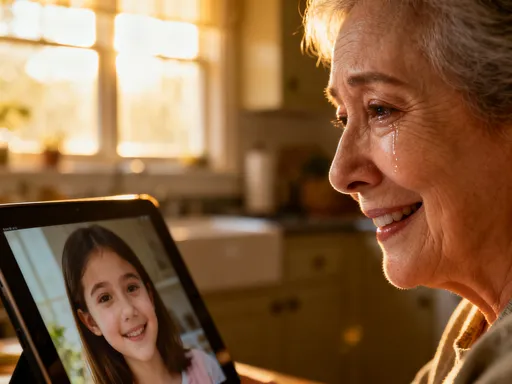
I think about my friend Lisa, who finally made her first video call with her daughter after months of putting it off. She’d been nervous—her daughter lived across the country, and they’d only managed short texts and voice calls. But one morning, her daughter said, ‘Mom, just open the app and tap the video button. I’ll be waiting.’ So she did. Her hands were shaking. She accidentally turned on the front camera and saw her own wide eyes staring back. But then her daughter’s face appeared, and she was smiling, saying, ‘Mom! I can see you!’ And just like that, the fear melted. They spent twenty minutes watching Lisa’s grandson build a block tower, laughing every time it fell. Afterward, Lisa said, ‘I can’t believe I waited so long. It was just… normal.’ That’s the secret. It’s not magic. It’s not perfect. But it’s real. And it’s worth it.
Your First Call: Simpler Than Sending a Text
Let’s walk through it together—step by step, no tech talk, no pressure. You’re going to be surprised at how easy this is. First, you need a device. That could be your smartphone, your tablet, or even your laptop. As long as it has a camera and internet, you’re good. Next, you need an app. The most common ones are FaceTime (if you have an Apple device), WhatsApp, Google Meet, or Zoom. You might already have one of these installed. If not, go to your app store, type in the name, and tap ‘Install.’ It takes less than a minute.
Once it’s installed, open the app. If it’s your first time, it might ask for permission to use your camera and microphone. Tap ‘Allow.’ That’s important—otherwise, they won’t be able to see or hear you. Then, find the person you want to call. If it’s WhatsApp, go to your messages and open the chat with them. You’ll see a little camera icon—tap that. If it’s FaceTime, open the app, type their name or number, and tap the video button. Wait a few seconds. You might hear a ringing sound. Then—there they are. Their face fills the screen. Maybe they’re surprised. Maybe they’re already smiling. And just like that, you’re connected.
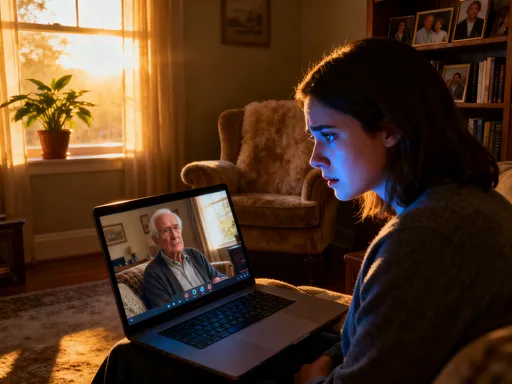
I know it sounds almost too simple. But that’s the point. You don’t need to memorize steps. You don’t need to be ‘good’ at technology. You just need to try. And if something goes wrong? No big deal. Maybe the screen is dark. Check if your finger is covering the camera. Maybe the sound is low. Adjust the volume buttons on the side. Maybe they don’t answer. Try again later. This isn’t a test. It’s a conversation. One of my favorite moments was when my cousin called her grandmother for the first time. She kept saying, ‘Is this thing on? Can you see me?’ And her grandmother kept waving and saying, ‘Yes, yes! You’re right there!’ They didn’t talk about much—just the weather, the dog, what they’d had for lunch. But at the end, her grandmother said, ‘I feel like you’re in the room with me.’ That’s the power of it. Not perfection. Presence.
Making It a Habit: Small Moments, Big Impact
Here’s the truth: you don’t need long, polished calls to feel connected. In fact, the most meaningful moments often come from the shortest ones. Think about it—how often do you really talk to the people in your home? You might share a few words over breakfast, pass each other in the hallway, exchange texts during the day. But you’re still *together*. You’re in the same space. You hear each other’s voices. You notice the little things. Video calls can do the same, even from miles away.
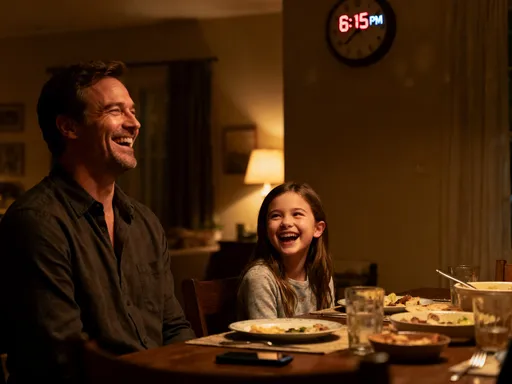
The key is consistency, not duration. Try a two-minute call while you’re waiting for the coffee to brew. Wave hello while you fold laundry. Sit together during dinner, even if it’s on speaker with the screen propped up on the table. These aren’t performances. You don’t have to look perfect or have anything important to say. Sometimes, just seeing each other’s faces while you stir the soup or help a child with homework is enough. One woman I know has a ‘good morning’ call with her sister every Sunday. They don’t even talk much—just wave, show each other their breakfast, maybe complain about the weather. But she says it starts her week with a sense of calm. ‘It’s like we’re still part of each other’s lives,’ she told me. ‘Not just visitors.’
And don’t underestimate the power of shared silence. I used to think every call had to be full of news and updates. But then I watched my friend’s mom read bedtime stories to her grandkids over video. The kids would lie in bed, sleepy-eyed, listening as Grandma turned the pages. No one said much. But at the end, her grandson whispered, ‘I love you, Nana.’ That moment wasn’t about the story. It was about the connection. The same goes for cooking ‘together’—one person in New York, one in Texas, both making the same recipe, laughing when one burns the garlic. These aren’t grand gestures. They’re tiny threads of togetherness. But woven together, they form a strong, invisible bond.
Bridging Generations: Helping Loved Ones Join In
One of the most beautiful things about video calling is how it brings generations together. But let’s be honest—helping an older family member get started can feel daunting. You don’t want to overwhelm them. You don’t want to make them feel slow or left behind. The good news? With a little patience, it’s absolutely possible. And the joy it brings is worth every extra minute.
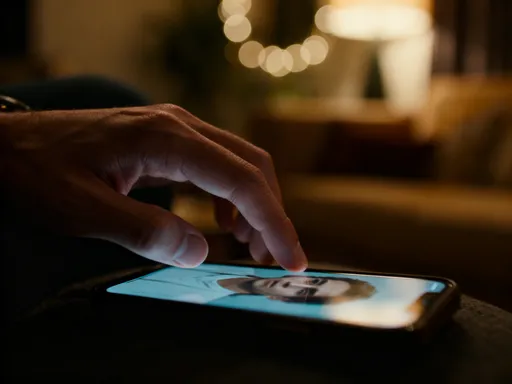
Start by setting up the device for them. If they have a tablet or smartphone, install the app yourself. Show them where the icon is. Make it big and easy to find. On most devices, you can adjust the settings to increase the size of icons and text. Do that. Then, go a step further—create a one-touch shortcut. Some apps let you pin a favorite contact to the home screen. That way, they don’t have to open the app, find the message, and tap the video button. They just tap once, and the call starts. I helped my aunt set this up for her mother, and now she calls her every morning without any help. ‘It’s like magic,’ she said. ‘She just taps the picture of my face, and there I am.’
When you’re teaching them, go slowly. Use simple words. Say things like, ‘This is the green button. It starts the call.’ Avoid tech terms like ‘Wi-Fi,’ ‘bandwidth,’ or ‘settings.’ They don’t need to know how it works—just how to use it. And reassure them: it’s okay to make mistakes. It’s okay to forget. You can practice together. One woman told me she made ‘cheat sheets’ for her parents—printed pages with pictures of the screen and arrows pointing to the buttons. She taped it to the back of their tablet. Now, they refer to it when they need to. But more often, they don’t need it at all. The habit has taken over. The point isn’t tech mastery. It’s love. It’s the willingness to try, to show up, to say, ‘You matter enough for me to figure this out.’
Turning Tech Into Tradition
When we think of family traditions, we often picture things like holiday dinners, birthday cakes, or annual trips. But traditions don’t have to be big or formal. They can be simple, quiet, and deeply meaningful. And video calling can become one of them. Imagine lighting the menorah together, even if you’re in different time zones. Picture opening presents side by side over the screen, gasping at the same time when someone tears off the wrapping. Think about sharing a virtual toast on New Year’s Eve, counting down together, even if one of you is in pajamas and the other is at a party.
Some families have started ‘game nights’ over video. They play simple games—like charades or trivia—using the screen to see each other’s faces. Others cook the same recipe on the same night, then eat ‘together’ while sharing the meal over the call. One family I know records their calls during holidays and watches them later, like home videos. They’ve started calling them ‘digital heirlooms.’ These moments aren’t replacements for being together. But they’re something real. They’re proof that love doesn’t need proximity to thrive.
And it’s not just about the big days. It’s about the little ones, too. A grandparent blowing out birthday candles while the whole family sings. A daughter showing her new apartment room by room. A sister sharing the ultrasound image of her first baby, live. These moments become part of your family’s story. They’re not stored in a photo album—they’re held in memory, in emotion, in the way someone’s voice catches when they say, ‘I wish you were here.’ But now, thanks to a simple call, you kind of are.
Connection Without the Stress: Peace of Mind in Your Pocket
Here’s the final truth: video calling isn’t about adding one more thing to your to-do list. It’s about taking something heavy off your heart. It’s not about being available 24/7 or having perfect lighting or mastering every feature. It’s about knowing that someone you love is just a tap away. It’s about the quiet comfort of seeing a familiar face when you’re having a hard day. It’s about sharing a smile, a sigh, a silly moment—without needing a reason or a schedule.
I used to think I had to wait for the ‘right time’ to call. I’d think, ‘I’ll do it when I’m not tired,’ or ‘I’ll wait until I have something important to say.’ But life doesn’t work that way. The right time is often the messy one—the moment you’re stirring dinner, the second you sit down after a long day, the quiet minute before the kids wake up. Those are the moments that matter. Because that’s when life happens. And that’s when connection counts.
So let go of the pressure. Let go of the idea that it has to be perfect. Your hair doesn’t need to be done. The house doesn’t need to be clean. You don’t need to have big news. You just need to show up. And when you do, you’ll find something beautiful: distance doesn’t disappear. But it softens. The ache doesn’t vanish. But it’s soothed. Because love, real love, isn’t measured in miles. It’s measured in moments. In voices. In faces on a screen, saying, ‘I’m here. I see you. I love you.’ And sometimes, that’s everything.