I kept forgetting our family milestones: How anniversary reminders brought us closer on weekends
We’ve all been there—scrolling through photos, stumbling on a picture from last year’s gathering, and realizing we missed someone’s birthday or an important date. I used to brush it off with “I’ll remember next time,” but I never did. Then I started using simple tech tools to track family moments, and our weekends changed completely. It wasn’t about perfect planning—it was about showing up, being present, and building a rhythm that made connection part of our routine. What began as a small fix for forgetfulness turned into something much deeper: a way to protect the people and memories that matter most. And it didn’t take fancy gadgets or hours of setup—just a little intention and the right kind of support.
The Small Moment That Changed Everything
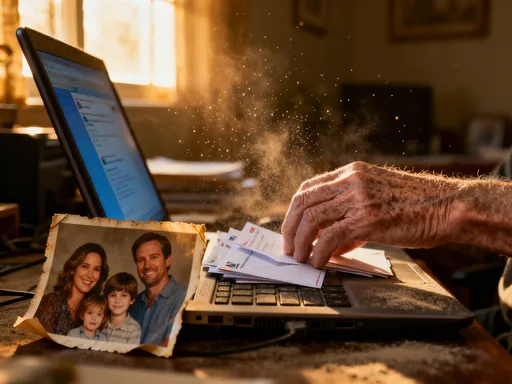
It was a quiet Sunday morning, sunlight drifting through the kitchen blinds, coffee steaming on the counter. My daughter sat at the table, flipping through an old photo album we hadn’t opened in months. She stopped at a picture of my father blowing out candles at his 70th birthday party—surrounded by cousins, laughing, a handmade card in his hand. She looked up and said, “Why don’t we do that for Grandpa anymore?”
Her voice was soft, not accusing, but the question landed like a stone. I didn’t have an answer. I wanted to say we were busy, that life got in the way, that we’d get back to it. But the truth was simpler: we’d forgotten. Not because we stopped caring—far from it—but because no one had remembered to remember. That moment cracked something open in me. I realized how many small, meaningful things had slipped through the cracks: my sister’s work anniversary, my nephew’s first piano recital, even the day my husband and I planted the maple tree in the backyard.
For years, I’d relied on memory, thinking that if something was important, I’d naturally hold onto it. But the reality is, our minds are full—of deadlines, grocery lists, school pickups, and endless pings from our phones. Emotional milestones don’t come with pop-up warnings, and love doesn’t automatically translate into action. That Sunday, I made a quiet decision: I would stop expecting myself to remember everything and start using tools that could help me care better. Not because I was failing, but because I wanted to do more than just survive the week—I wanted to show up for the people I love.
Why We Forget What Matters Most
Let’s be honest: forgetting a birthday doesn’t mean you don’t love someone. I’ve said that to myself more than once, usually while scrambling to send a late message or order a last-minute gift. But over time, those missed moments add up. They leave a quiet ache, a sense that something important is slipping away. And the sad truth is, it’s not our fault. Our brains aren’t designed to track emotional timelines. We’re wired to respond to urgency, not significance. A work email with a red flag gets attention. A family anniversary buried in mental clutter? Not so much.
I used to think that remembering was a measure of how much I cared—that if I truly loved someone, I’d never forget their special day. But that belief only led to guilt, and guilt doesn’t create connection. What does? Support. Systems. Gentle nudges that say, “Hey, this matters.” When I let go of the idea that memory equals devotion, everything shifted. I stopped seeing reminders as a sign of failure and started seeing them as acts of love. After all, isn’t love also about showing up—even when life is loud, even when your brain is full?
Technology often gets a bad rap for pulling us away from real connection. But what if it could do the opposite? What if it could help us slow down, pay attention, and protect the moments we don’t want to lose? That’s the shift I made. I stopped fighting distraction and started designing small ways to make care easier. And it wasn’t about replacing memory—it was about honoring it.
How Simple Reminders Transformed Our Weekends
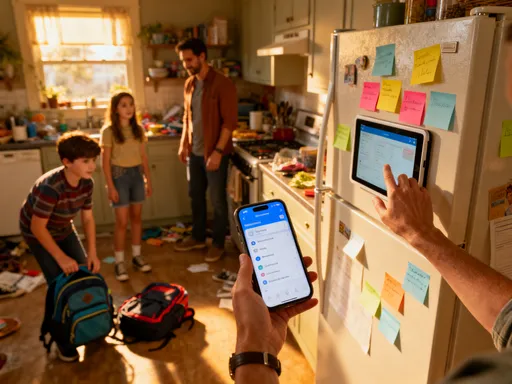
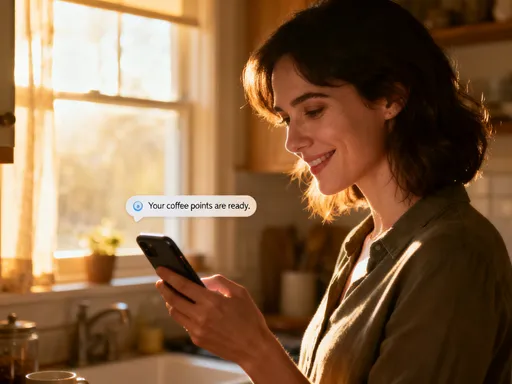
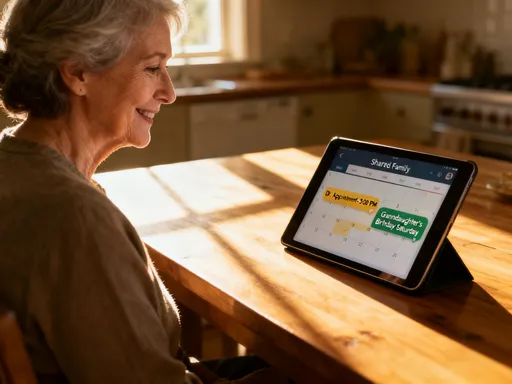
The change didn’t start with a complicated app or a high-tech gadget. It started with one small decision: I added a shared family calendar to my phone. Nothing flashy. Just a clean, color-coded calendar that everyone in the family could see—my husband, my kids, even my parents, who joined through a simple invite. I set it up to send gentle Sunday morning reminders for upcoming birthdays, anniversaries, school events, and even small traditions like “Grilled Cheese Night” or “Walk to the Park Saturday.”
The first few alerts felt strange, like being scolded by my phone. But soon, they became something else: invitations. A reminder that Grandma’s birthday was coming up didn’t feel like a chore—it gave us time to plan something sweet. We recorded a short video message, baked her favorite lemon bars, and mailed them with a hand-drawn card. Because we weren’t rushing at the last minute, the whole thing felt joyful, not stressful.
One of my favorite moments came when a notification popped up: “Mom’s Wedding Anniversary – 30 Years.” I’d completely forgotten the date, but the reminder gave us space to act. We surprised my parents with breakfast in bed, played their wedding song, and dug out old photos. My mom cried—not because we remembered, but because we showed up. That’s the power of a simple alert: it doesn’t just tell you what’s coming—it creates the space to care.
Building Routines That Feel Natural, Not Forced
I’ll admit, the first time I suggested we “review the family calendar together,” my kids groaned. “Now we have to schedule love?” my son joked. And he wasn’t wrong—on the surface, it sounded a little robotic. But what we created wasn’t rigid or cold. It became our weekend ritual: Saturday morning coffee, sleepy voices, laptops open, phones passed around. We’d go through the week ahead, not just for soccer practices and dentist appointments, but for the emotional beats too.
We added notes like “Call Aunt Lisa—she’s been feeling down” or “Send Dad a funny meme—he needs a laugh.” These weren’t tasks; they were tiny acts of care. Over time, the calendar became more than a tool—it became a living document of our family’s heart. We laughed at old notes (“Bring Dad’s favorite pie!”), teased each other about forgotten promises, and celebrated small wins (“You actually remembered Cousin Mia’s art show!”).
The key wasn’t automation—it was intention. Technology didn’t replace our connection; it protected it. By giving us a shared space to plan, remember, and reflect, it removed the guilt of forgetting and replaced it with the joy of showing up. And the best part? It felt natural. No pressure, no perfection. Just us, coffee, and a few minutes to make sure we weren’t missing what mattered.
More Than Dates: Keeping Stories Alive
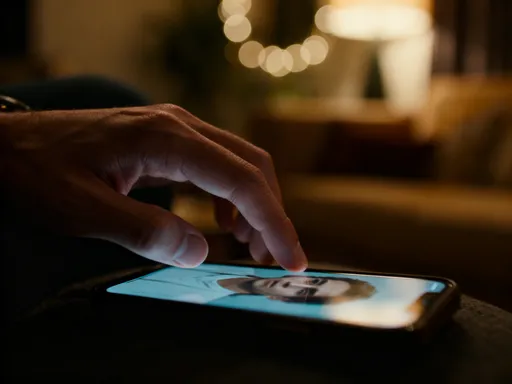
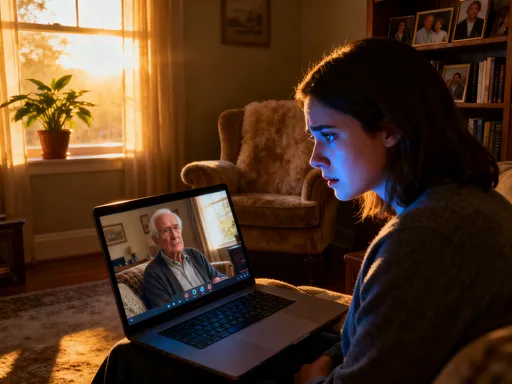
As the calendar grew, I realized we could do more than just track dates—we could keep stories alive. So I started attaching small digital memories to each event. A voice note from my dad telling a silly joke. A video clip of my niece’s first dance recital. A photo of our dog wearing a birthday hat at my son’s party. When a reminder popped up, it wasn’t just text on a screen—it was a moment. Hearing my father’s laugh before his birthday made it feel like he was right there with us, even when he wasn’t.
The kids started looking forward to these “memory alerts” as much as the events themselves. “What story does the phone have for us today?” my daughter would ask when a notification appeared. We’d gather around, listen, watch, and talk about the past. Those few minutes became tiny celebrations of who we are and where we’ve been. It wasn’t about nostalgia—it was about continuity. We weren’t just remembering a date; we were reinforcing our family’s story.
One evening, my mom called after receiving a shared album of old family vacations. “I forgot how much we used to laugh,” she said, her voice thick. “Seeing those photos… it’s like I got a piece of us back.” That’s when I understood: these tools aren’t just about efficiency. They’re about emotional preservation. In a world that moves fast and forgets quickly, they help us hold onto what’s slow, deep, and real.
Making It Work for Every Kind of Family
I know not every family is the same. Some live close; others are scattered across time zones. Some are tech-savvy; others prefer pen and paper. When we first set this up, my sister-in-law said, “I don’t do calendars on my phone. I’ll never remember to check it.” So we adapted. We created a printed monthly family sheet—simple, colorful, with birthdays, anniversaries, and special notes. We taped it to her fridge. Every month, we’d mail her a new one with a small note or photo tucked inside.
For my parents, we set up a shared messaging group where reminders are sent as gentle texts: “Just a heads-up—Grandma’s birthday is Thursday. Thinking of you!” For my nephew, who’s always on his tablet, we added fun stickers and emojis to the digital calendar. The goal wasn’t to make everyone use the same tool—it was to make everyone feel included. Whether you check a screen or a sticky note, the message is the same: you’re remembered. You matter.
The beauty of this system is its flexibility. It doesn’t demand perfection. It doesn’t require everyone to change. It simply meets people where they are. And in doing so, it strengthens the invisible threads that tie a family together. Because belonging isn’t about doing everything the same way—it’s about knowing you’re part of something, no matter how far apart you are.
The Ripple Effect: From Reminders to Deeper Bonds
What started as a way to stop forgetting birthdays has grown into something much bigger. Over time, I’ve noticed a shift—not just in what we remember, but in how we connect. Sunday mornings are no longer just about chores and coffee. They’re about checking in, looking ahead, and making space for each other. We’ve started creating new traditions: “Gratitude Sundays,” where we share one thing we’re thankful for about each other, or “Memory Lane Walks,” where we stroll through old photos and tell stories.
The kids have taken the lead too. My daughter started a “Family Story Jar,” where we write down small moments—funny quotes, kind gestures, quiet victories—and read them aloud on special days. My son began sending his grandparents weekly voice messages just to say hi. These aren’t grand gestures. They’re small, consistent acts of love. And they’ve added up to something profound: a family that feels more connected, more intentional, more alive.
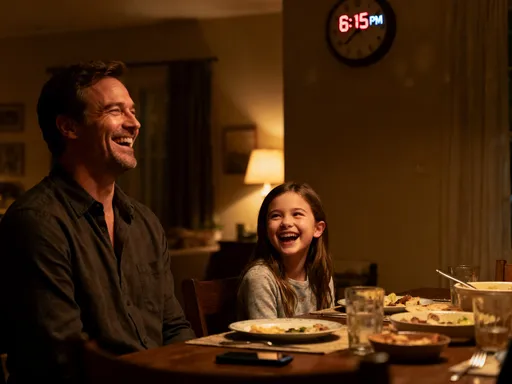
Technology didn’t fix our family. We didn’t need fixing. What it did was give us a quiet, reliable way to support the love we already had. It didn’t replace handwritten cards or surprise visits or long talks over dinner. It made them possible. By removing the weight of remembering, it freed us to just be—to show up, to listen, to laugh, to love without distraction.
So if you’ve ever missed a birthday, forgotten an anniversary, or felt like family moments are slipping away, I want you to know: it’s not because you don’t care. It’s because you’re human. And there’s no shame in using a little help to care better. A simple reminder isn’t cold or robotic—it’s an act of love. It’s saying, “You matter. I want to remember. I want to be there.” And sometimes, that small nudge is all it takes to turn a forgotten date into a moment that lasts a lifetime.