After Trying 7 Family Apps, This One Finally Brought Us Together Without the Chaos
Remember those dinners when everyone’s glued to their phones? We were there too—until one simple app changed how we plan, connect, and actually enjoy time together. It wasn’t about more notifications or stricter schedules. It was about working *with* our messy, real lives. I’ll share how we went from constant miscommunication to calm coordination—and how you can, too—without turning tech into another chore.
The Breaking Point: When Family Life Felt Like a Group Chat Gone Wrong
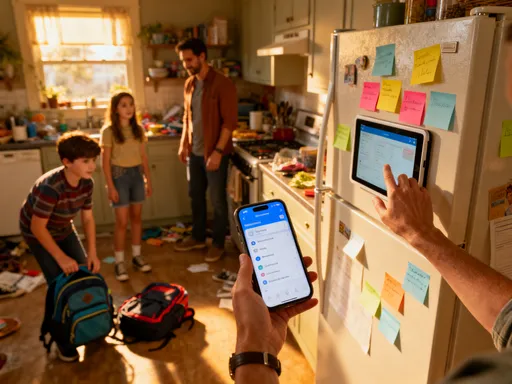
There was a week last spring when it all just collapsed. My daughter had a school play on Tuesday, but my husband thought it was Wednesday. He missed it. She didn’t cry, but I saw her glance toward the door one too many times, and my heart cracked. That same week, I booked a dentist appointment for my son on the same night as his scout meeting—only realizing the clash when the babysitter called to confirm both. And my grocery list? I forgot the gluten-free bread again, which meant last-minute panic at the store while everyone waited in the car, hungry and annoyed.
We weren’t lazy. We weren’t careless. We were just drowning in fragments. Texts flew back and forth all day—“Who’s picking up the dry cleaning?” “Did you pay the piano teacher?” “What’s for dinner?”—but nothing stuck. Our family chat was a tornado of good intentions and missed details. I’d read a message, think, “I’ll handle that later,” and then later never came. My husband said he felt like he was playing whack-a-mole with responsibilities. The kids started tuning out because every conversation felt like a demand.
And here’s the irony: we were more connected than ever. Phones in every pocket, calendars on every device, group chats buzzing constantly. Yet we were emotionally disconnected. The frustration wasn’t with each other—it was with the system. Or rather, the lack of one. We weren’t failing as parents or partners. We were failing because the tools we were using weren’t built for real life. They were built for efficiency, not empathy. For control, not connection. That week, I sat at the kitchen table after bedtime, staring at my phone, and thought: There has to be a better way. Not just a different app—but a different approach.
Searching for Sanity: Why Most Family Apps Fell Short
So I went on a mission. I downloaded six of the most popular family organization apps—each with glowing reviews and promises of “stress-free parenting” and “perfect coordination.” I was hopeful. I was ready. I was wrong.
The first one felt like a corporate project dashboard. Color-coded timelines, task dependencies, progress bars. I showed it to my husband and he laughed. “Are we launching a rocket or getting the kids to soccer practice?” It wanted us to assign roles: “Primary Responsibility: Mom. Secondary: Dad.” I didn’t want to manage my family like a board meeting. And the kids? They ignored it completely. After three days, I deleted it.
Another app was all about rewards and points—earn stars for completing chores, redeem for screen time. Sounds fun, right? But it turned every small task into a negotiation. “Do I get double points if I do it now?” “Can I cash in early?” It created competition instead of cooperation. My younger son started hiding his completed tasks so he could claim them later for maximum points. That wasn’t the spirit I wanted in our home.
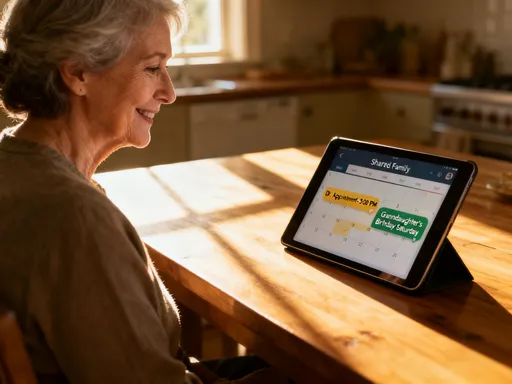
Then there was the one that required perfect sync. Everyone had to log in at the same time, update their schedules, respond to alerts within hours. But life doesn’t work that way. My mother-in-law tried to help by adding her visits to the calendar, but the app glitched and deleted everything. My husband missed a notification because his phone died during a work call. The app marked him “inactive” and sent me a passive-aggressive nudge: “Dad hasn’t confirmed pickup. Please follow up.” I felt like I was babysitting the babysitter.
Each app failed for the same reason: it didn’t respect our rhythm. They assumed consistency, perfect memory, and uniform tech comfort—none of which we had. The kids are 8 and 11. One loves gadgets; the other still prefers paper lists. My husband travels for work and has spotty Wi-Fi. I’m busy but not tech-obsessed. We needed something that bent with us, not something that demanded we bend to it. I realized then that the best tool isn’t the one with the most features. It’s the one that disappears into your life, quietly making things easier without asking for much in return.
The One That Stuck: How a Local Life App Became Our Family Hub
The app that finally worked wasn’t marketed as a “family organizer.” It was built for local living—connecting you to nearby stores, school events, community alerts, and daily routines. I found it by accident while searching for a grocery delivery deal. But when I started playing with it, I saw something different: it wasn’t trying to manage us. It was trying to help us live.
It synced with our existing calendars, but instead of adding complexity, it simplified. When my daughter’s school posted a change to pickup times, it showed up automatically. No more digging through email chains. When the local pharmacy had a sale on her allergy medicine, the app flagged it and added it to my shopping list. I didn’t have to remember. It remembered for me.
The first real win came on a rainy Thursday. I opened the app in the morning and saw a notification: “Soccer practice moved to Friday due to field closure.” I tapped “Confirm pickup” and it updated everyone—my husband, my mom (who sometimes helps), and even my daughter’s phone. Later, she said, “Mom, Dad knows about practice, right?” I smiled and showed her the app. “See? It’s all taken care of.” The relief in her voice was instant. She didn’t have to worry. She could just be a kid.
What made this app different was its focus on integration, not control. It didn’t ask us to log in twice a day. It didn’t track who did what. Instead, it pulled in real-time local data—school alerts, store sales, weather impacts—and blended it with our personal schedule. We could add a shared grocery list, and it would suggest substitutions based on what was on sale at the store we usually visit. We could set reminders for permission slips, and it would ping us three days before, then the night before, then the morning of—gentle nudges, not alarms.
Even the kids started using it. My son loves building his own snack list before game days. “I need oranges, pretzels, and that freeze-dried yogurt.” He adds them with a tap. My daughter uses the “family moments” board to post photos from school events. It’s not about productivity. It’s about participation. And that’s the shift: the app stopped being a tool and started feeling like part of our home.
Small Wins, Big Shifts: The Daily Moments That Changed Everything
The transformation didn’t happen overnight. It grew from tiny victories—little moments where something just worked, and we noticed.
Like the Friday when I got a push notification: “Local theater has family movie night—$5 tickets before 7 PM.” I showed the kids, and within minutes, we were planning popcorn flavors and who would bring the cozy blanket. It wasn’t a big event, but it felt special because it was spontaneous. No planning, no debate, no stress. Just joy, made possible because the app saw an opportunity and handed it to us.
Or the week when my husband was traveling. Normally, that meant I was on full overload—managing pickups, meals, bedtime—all alone. But this time, the app kept us in sync. He updated his flight arrival, and it automatically adjusted the pickup schedule. He saw the grocery list and ordered milk and eggs for delivery. When he walked in the door, the house wasn’t in chaos. The kids ran to him, not because they needed something, but because they were happy to see him. That night, we ate dinner together, actually talking, not just surviving.
One morning, I opened the app and saw that the school had posted a reminder: “Yearbook photos next Tuesday—dress nicely.” I added a reminder for myself to lay out clothes the night before. No last-minute panic. No wrinkled shirt. Just a smooth morning. My daughter said, “Thanks, Mom,” and gave me a hug. That small moment—no stress, just care—meant more than any productivity metric.
These weren’t grand changes. But they added up. We stopped saying, “Did you remember…?” We stopped hearing, “You forgot…” The mental load lightened. And in that space, something beautiful grew: presence. We had more energy to listen, to laugh, to just be together. The app didn’t create connection. It removed the noise that was blocking it.
Getting Everyone On Board: Making Tech Work for, Not Against, Family Rhythms
Getting the whole family to use it wasn’t about rules or mandates. It was about invitation. I didn’t say, “Everyone must use this.” I said, “Let’s try this one thing—together.”
We started with the grocery list. I created a shared list and asked the kids to add one thing they wanted that week. My son put “cheese puffs.” My daughter added “strawberries.” I didn’t judge. I just added them. When we got to the store, I let them check items off on their tablets. “I got the milk!” “I found the bread!” It felt like a game. And it worked.
Then I introduced the reminder system with humor. Instead of “Dad must pick up dry cleaning,” I wrote, “Who’s the hero picking up tacos tonight? First to reply gets extra guac.” My husband played along. The kids loved it. It wasn’t a chore. It was a moment of fun.
I also made sure the app adapted to us, not the other way around. My husband doesn’t like constant notifications, so I turned off non-essential alerts for him. My daughter likes visual cues, so we added emojis to tasks: 🍕 for pizza night, ⚽ for soccer, 🎨 for art class. My son prefers voice notes, so he can say, “I need new cleats,” and the app transcribes it to the list.
The key was flexibility. We didn’t force perfect usage. We celebrated effort. When my daughter remembered to update the calendar about a changed homework deadline, I said, “You’ve got this!” and gave her a high-five. When my husband used the app to plan a surprise ice cream stop, I sent a family message: “Best. Dad. Ever.” These small affirmations built momentum. Using the app stopped being a duty and started feeling like contributing.
Beyond Scheduling: How This Tool Strengthened Our Emotional Connection
The biggest surprise wasn’t the efficiency. It was the emotional shift. When the logistics stopped being a battleground, we had room for what really matters.
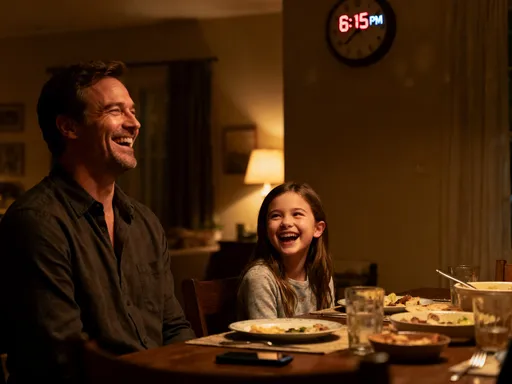
I noticed it first in the evenings. Instead of rushing through dinner while checking phones, we were actually talking. “How was your day?” “What made you laugh?” “What are you excited about?” The tension that used to hang in the air—“Did you do your homework?” “Where are your cleats?”—was gone. The app had handled the basics. Now we could focus on the heart.
My husband said he felt lighter. “I don’t come home bracing for a list of things I forgot,” he told me. “I come home knowing we’re on the same page.” That sense of teamwork restored something I didn’t even realize was frayed. We weren’t tag-teaming the chaos. We were sharing the load—and the joy.
And the kids? They began to trust that we had it covered. No more anxious questions: “Who’s picking me up?” “Are we doing homework tonight?” They could relax. They could be kids. One night, my daughter said, “I like when we all know the plan.” That simple sentence told me everything. She wasn’t asking for perfection. She was asking for peace. And we gave it to her.
Technology didn’t replace our presence. It made space for it. It didn’t automate love. It removed the friction that was getting in the way of it. The app didn’t hug the kids goodnight. I did. It didn’t help with the science project. We did—together. But because the small things were handled, we had the time, the energy, and the calm to show up fully.
Your Turn: How to Find the Right Fit for Your Family’s Real Life
If you’re feeling overwhelmed, know this: it’s not you. It’s the tools. And you don’t need more apps. You need the right one.
Start small. Don’t try to overhaul everything at once. Pick one pain point—grocery shopping, pickup confusion, forgotten events—and look for a tool that solves that, gently. Test it for a week. Involve your family in the trial. Ask, “Did this help? Was it annoying? What would make it better?” Listen. Adjust.
Look for integration, not complexity. The best apps work with what you already use—your calendar, your school system, your favorite stores. They don’t ask you to rebuild your life. They just make your current life a little smoother.
Pay attention to emotional payoff. Does it reduce stress? Does it create moments of connection? Does it make you feel more in control—or more drained? The right tool should leave you with more energy, not less.
And remember: perfection isn’t the goal. The goal is peace. More calm. More time. More “I’ve got this” and less “I forgot.” More spontaneous movie nights and fewer missed school plays. More hugs and fewer arguments.
You don’t need a flawless system. You need a little help that fits your real, messy, beautiful life. And when you find it, you’ll know—not because the app says so, but because your family feels it. The chaos fades. The connection grows. And dinner? Dinner becomes dinner again—where everyone’s looking up, not down.