I used to miss every family dinner — How experience forums reset my daily rhythm
We’ve all been there — eyes glued to screens, schedules in chaos, meals skipped, and moments missed. I once lived that way, constantly reactive, never present. Then I discovered something unexpected: online experience exchange forums didn’t just offer advice — they helped me rebuild my days with intention. No tech jargon, no drastic changes. Just real people sharing how they regained time, focus, and connection. This isn’t about productivity hacks — it’s about aligning your life with what truly matters. And for me, it started with one quiet realization: I hadn’t seen my daughter finish a single school play in two years.
The Moment I Realized My Life Was Out of Sync
It wasn’t one big crisis that made me stop. It was the slow drip of missed moments — bedtime stories read by someone else, birthday candles blown out without me, Sunday brunches I promised to attend but ended up skipping because of a last-minute email chain. I worked from home, which I thought meant more flexibility. But instead of freedom, it gave me guilt — the kind that settles in your chest when your child asks, ‘Are you working again?’ while holding a drawing they made just for you.
Then came the school music recital. My daughter had practiced for weeks — shaky fingers on the recorder, humming the tune under her breath at dinner. I told her I’d be there. But a client call ran late, then another issue popped up, and before I knew it, it was over. I called her right after, voice full of apologies, but she just said, ‘It’s okay, Mom. Dad recorded it.’ That ‘It’s okay’ broke me. It wasn’t okay. I wasn’t okay. I was physically home, but emotionally and mentally, I was miles away. My phone buzzed with notifications, my laptop glowed in the dark, and I realized I had become a ghost in my own home.
I didn’t need another app. I didn’t need a smarter calendar. I needed to remember how to be present. And honestly, I didn’t know where to start — until I found a simple online forum where people talked about exactly this: not how to do more, but how to feel more.
Finding Clarity in Shared Struggles
I wasn’t looking for a life overhaul. I just typed into a search bar: ‘How do you stop working when you work from home?’ What I found wasn’t a lecture or a 12-step program. It was a thread with 387 comments — real stories from real people. One mom wrote about how she used to eat dinner standing up in front of the fridge, still answering work emails. Another shared how her son started calling her ‘the woman with the glowing rectangle.’ I laughed, but it wasn’t funny. It was familiar.
What surprised me most wasn’t the advice — it was the tone. No judgment. No perfection. Just honesty. One woman said, ‘I finally set a rule: no laptop after 6:30 p.m., even if I’m not done. My work can wait. My kids can’t.’ That sentence stayed with me. It wasn’t about time management. It was about values. And suddenly, I didn’t feel broken — I felt seen.
These forums weren’t filled with tech experts or productivity gurus. They were everyday people — parents, caregivers, freelancers — who had also felt pulled in ten directions. They didn’t offer magic fixes. Instead, they shared small, doable things that had worked for them. And because they sounded like someone I might sit next to at a school pickup, I actually believed them. I thought, if she can do it with twins and a part-time job, maybe I can try one thing.
For the first time in years, I didn’t feel alone in my struggle. And that sense of connection? That was the first real step toward change.
From Overwhelm to Structure: How Forums Guided My Daily Reset
One of the most common threads — literally — was about morning routines. So many people described starting their day by checking email or social media before even getting out of bed. Sound familiar? I raised my hand. But then I read a post from a woman named Lisa who said, ‘I swapped my phone for a notebook. First 15 minutes of the day are for writing — what I’m grateful for, what I need to focus on, what I want to let go of.’ I thought, That’s not tech. That’s peace.
I tried it. No phone. Just me, a cup of tea, and a notebook. The first few days were hard — my fingers itched to scroll. But by day five, I noticed something: I wasn’t rushing. I felt calmer, clearer. And that calm carried into the rest of my day. It wasn’t about being more productive. It was about being more intentional.
Another game-changer was time-blocking. I’d heard the term before, but it always sounded too rigid. Then I read a dad’s story about how he divided his workday into 90-minute chunks, with 15-minute breaks to walk the dog or play a quick game with his kids. He called it ‘working with my life, not against it.’ I loved that phrase. So I started doing it — not perfectly, but consistently. I blocked time for deep work, for emails, for family, even for rest. And I used a simple digital calendar, color-coded so I could see my day at a glance.
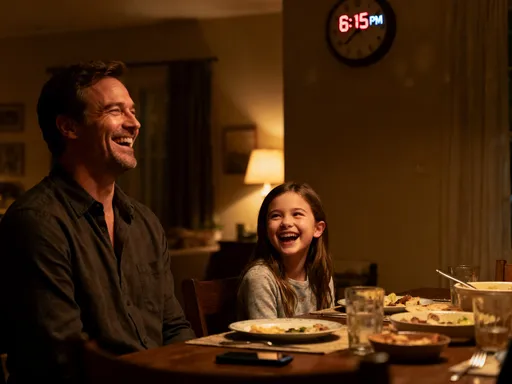
One of the most powerful shifts came from a conversation about ‘digital sunset.’ A user shared how her family turns off all screens by 8 p.m. — phones go into a basket, the TV stays off, and they spend the evening talking, reading, or playing board games. I loved the idea, but I wasn’t ready for full lockdown. So I started small: no screens during dinner. Just us, the table, and real conversation. It felt strange at first — like we were relearning how to talk. But within a week, my daughter started telling me stories I hadn’t heard in years. My husband said, ‘I feel like I’m getting my wife back.’
Making Better Choices Without the Pressure
One of the biggest stresses I used to feel was decision fatigue. Should I work late? Should I say yes to the PTA meeting? Should I check email after bedtime? Every choice felt heavy, like I was failing someone no matter what I picked. But reading forum posts showed me I wasn’t alone — and that there wasn’t one ‘right’ way to do this.
One thread asked, ‘How do you set boundaries with work when your boss expects constant availability?’ The responses were all different. Some people used auto-replies after hours. Others scheduled ‘focus blocks’ and told their teams they’d respond later. One woman said she started ending her day with a five-minute walk around the block to signal closure — no phone, just fresh air. I tried that. It sounds simple, but that walk became my mental off-ramp. It told my brain: work is done. Family time starts now.
The beauty of these forums was that they didn’t tell me what to do. They showed me options. I could read ten different approaches and pick the one that fit my life — not someone else’s. And because these were real people sharing real experiences, I trusted them more than any expert on a stage. I realized I didn’t need perfection. I needed permission — to try, to fail, to adjust.
One post that stuck with me said, ‘You don’t have to do it all. You just have to do what matters to you.’ That changed everything. I stopped comparing my rhythm to others. Instead, I started asking myself: What matters most today? Is it finishing that report? Or is it being fully there for bedtime? Slowly, I learned to choose — not out of guilt, but out of clarity.
Strengthening Family Rhythm Through Shared Insights
The most beautiful part of this journey has been watching our family reconnect. We started with small things — dinner together, no phones. Then we added a Friday night tradition: board games and popcorn. My son picks the game, and we laugh more now than we have in years. I’m not just physically present. I’m emotionally there — listening, laughing, engaging.
One of the most impactful changes came from a forum suggestion about weekend planning. A mom shared how her family does a 20-minute check-in every Sunday night — talking about the week ahead, who has what activity, and what meals they’ll prep. I thought, We could use that. So we started our own version. Every Sunday, we sit together, look at the calendar, and plan meals. My kids help pick recipes. We make a grocery list together. It’s not just about food — it’s about connection. And it’s reduced the ‘What’s for dinner?’ stress dramatically.
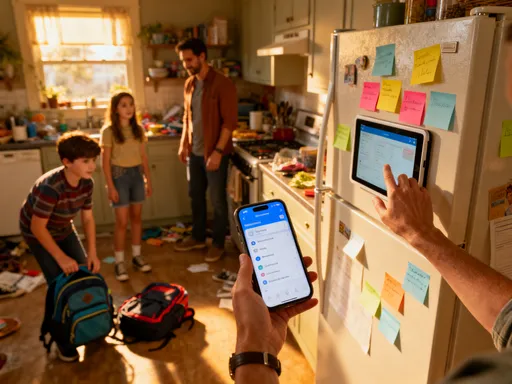
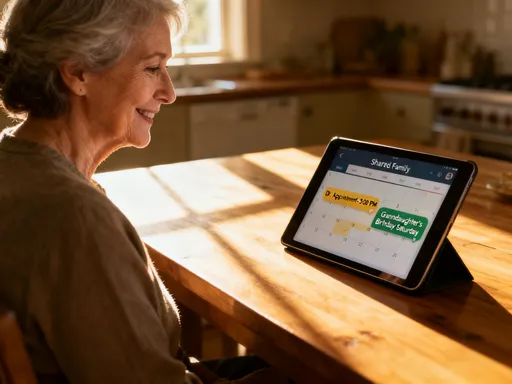
We also started using a shared family calendar — nothing fancy, just a free app that syncs with everyone’s phone. My husband adds his meetings, I add work deadlines, and the kids add their practices and events. Now, instead of surprises, we have awareness. Instead of chaos, we have coordination. And when I see my daughter’s soccer game marked in green, I make sure nothing else is scheduled. That game matters. And now, my calendar reflects that.
These aren’t grand gestures. They’re small, consistent choices — made possible by the wisdom of others who’ve walked this path. And they’ve brought back something I thought I’d lost: the feeling of being a family, moving through life together.
Growing With the Community: A Cycle of Giving and Gaining
For months, I was just a reader — lurking, learning, trying things in silence. But one day, I realized I had something to share. I wrote my first post: ‘How I started saying no — and why it changed everything.’ I didn’t expect much. But within hours, I got replies. ‘Thank you — I needed to hear that.’ ‘I’m going to try your evening walk idea.’ ‘You’re not alone’ — no, I wasn’t. And neither were they.
That moment shifted something in me. I wasn’t just taking. I was giving. And the more I shared, the more I reflected. Writing about my progress helped me see how far I’d come. And reading others’ responses reminded me that small changes can ripple outward.
I started checking the forum not just for answers, but for connection. I’d read a new post and think, ‘I’ve been there.’ Then I’d reply with my own experience. It became a habit — not a chore, but a comfort. These people didn’t know my name in real life, but they knew my struggles. And that created a safe space to be honest, to grow, to keep trying.
Becoming part of this community didn’t just help me change my routine. It helped me believe I could change. And that belief? That’s been the most powerful tool of all.
Rebuilding Life, One Shared Moment at a Time
Looking back, I realize I wasn’t just searching for better time management. I was searching for meaning. For presence. For a life that felt aligned — not frantic, not fragmented, but whole. And I found it not in a high-tech solution, but in the quiet wisdom of everyday people who cared enough to share their journey.
Technology didn’t fix my life. But the way I used it — to connect, to learn, to grow — made all the difference. These forums didn’t give me answers. They gave me hope. They reminded me that I wasn’t failing. I was just out of rhythm. And rhythm can be restored — not overnight, but one small, intentional choice at a time.
Today, I still have busy days. I still get overwhelmed. But now I have tools — not digital ones, but human ones. I have the memory of a mother who said, ‘My kids can’t wait.’ I have the image of a family putting phones in a basket. I have the sound of my daughter’s laughter during board game night. And I have the knowledge that I’m not alone.
If you’re feeling out of sync, I want you to know: you don’t need to do everything at once. You don’t need to be perfect. You just need one small change — maybe a morning notebook, maybe a screen-free dinner, maybe a walk to close your day. Try it. See how it feels. And if you want, go to a forum, read a story, share your own. Because sometimes, the most powerful tech isn’t in your phone. It’s in the connection between you and someone who gets it.
This isn’t about doing more. It’s about being more. And that’s a rhythm worth finding.