More than a commute tracker: How my daily app helped me master my spending habits
Have you ever wondered where your money really goes? I didn’t either—until I started using a simple commute app that quietly began shaping my spending habits. At first, it just mapped my route and estimated travel time. But over weeks, it started suggesting cheaper coffee stops, tracking impulse buys near transit hubs, and even celebrating small savings. What began as a travel tool slowly became a daily money mentor—proving that real change doesn’t come from willpower, but from habits built in the background of life.
The Commute That Changed Everything
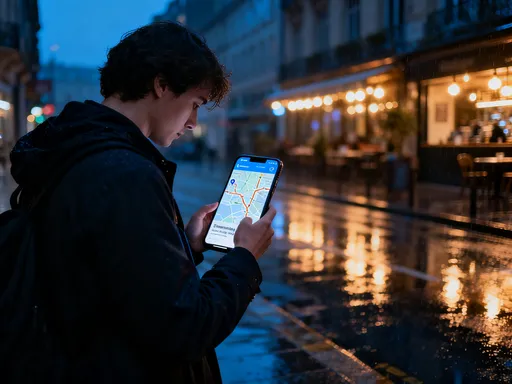
I never thought my morning ride to work could reshape my finances. Like millions, I used a commute app for traffic updates and arrival times. But one feature—personalized route suggestions based on my location and time—started showing nearby deals and budget-friendly pit stops. At first, I ignored them. Then, one rainy Tuesday, I tapped “cheapest fuel nearby” and saved $12. That small win sparked curiosity: could this app do more than get me to work on time?
That single moment changed how I saw my daily routine. I realized I wasn’t just commuting—I was moving through a pattern of predictable stops, each with its own cost. The gas station before work, the coffee run during the morning break, the grocery stop on the way home. These weren’t big expenses on their own, but together, they were quietly eating away at my budget. The app didn’t shout this at me. It didn’t send alerts saying, “You’re wasting money!” Instead, it quietly started offering alternatives—like cheaper gas stations just a few blocks off my route or a local bakery with better pastries for less. And because the suggestions came at the right moment, when I was already making a decision, they felt helpful, not pushy.
What surprised me most was how little effort it took to start saving. I wasn’t creating spreadsheets or tracking every dollar. I wasn’t forcing myself to skip coffee or skip meals. I was just making slightly different choices in the flow of my day. That $12 gas save? It turned into $8 saved the next time, then $5 on coffee, then $3 on a snack. These weren’t sacrifices. They were smarter moves, made easier by an app that knew my routine better than I did. It wasn’t about living with less. It was about living with more awareness—and that made all the difference.
From Routes to Routines: How the App Learned My Life
The app began noticing patterns I didn’t even see. It recorded that every Thursday, I bought an overpriced latte near the train station. On Fridays, I stopped at the same convenience store after overtime. Over time, it started sending gentle nudges: “You usually spend $6 here—try the café two blocks down for $3.50.” These weren’t random ads—they were habit alerts, based on real behavior. The technology behind it wasn’t magic, just smart spending record analysis tied to location and timing.
Think about it: our days follow rhythms. We go to the same places, at the same times, often for the same reasons. We’re creatures of habit, and those habits shape our spending—especially the small, repeated ones. The app didn’t just track where I went; it started predicting what I might do. And instead of letting those predictions lead to mindless spending, it used them to guide me toward better choices. It wasn’t monitoring me like a boss. It was learning me like a friend.
One of the most powerful moments came when I got a notification that said, “You’ve visited this coffee shop 14 times this month. That’s $84. Try making your own at home twice a week and save $24.” I laughed at first—how did it know I made coffee at home? Then I remembered: I’d used the app to map a weekend trip to a local farmers market, and I’d stopped by a kitchen store. The app didn’t know I bought a French press, but it had learned enough about my behavior to make an educated guess. And honestly? That message stuck with me. I started bringing coffee from home twice a week. I didn’t give up my café visits—I just made them intentional. And that shift, small as it was, gave me a sense of control I hadn’t felt in years.
The Hidden Link Between Transit and Spending
My commute was a daily ritual—and rituals shape habits. The app revealed something surprising: 38% of my small, unplanned purchases happened within 10 minutes of getting off public transit. The tiredness, the routine, the need for comfort—it all added up. Once I saw the data, I realized I wasn’t treating myself; I was autopiloting. The app didn’t judge. Instead, it offered alternatives, turning mindless stops into mindful choices. It wasn’t about cutting joy—it was about awareness.
Let’s be honest: commuting is exhausting. You’re tired, maybe a little stressed, and you’re moving through the same spaces every day. It’s easy to fall into the “just one treat” cycle—just one cookie, just one drink, just one little thing to make the day feel better. But those little things add up. And because they happen in the same place, at the same time, they become automatic. The app helped me see that pattern not as a personal failure, but as a predictable behavior—one that could be reshaped with the right support.
One of the most helpful features was the “pause before you pay” reminder. If I tapped to buy something near a transit stop, the app would gently ask, “Do you really need this right now?” It wasn’t shaming. It was pausing. And in that pause, I often realized I didn’t need it. Sometimes I still bought it—and that was okay. But more often, I walked away, saving both money and mental energy. That small delay gave me space to choose, rather than react. And over time, those choices became habits. I started looking forward to the satisfaction of skipping a purchase, not because I was depriving myself, but because I was making a conscious decision.
Building Better Habits Without Trying
The real breakthrough? I didn’t have to “try” to change. The app made small savings part of my routine. It celebrated when I skipped a purchase or chose a cheaper option. Over time, those micro-wins added up—financially and emotionally. I felt more in control, not because I had more willpower, but because the app made better choices easier. It used habit formation principles: cue (location), routine (stop), reward (coffee)—and then gently swapped the reward.
Behavioral science tells us that habits are hard to break not because we lack discipline, but because they’re tied to cues in our environment. The sight of the coffee shop, the smell of fresh bread, the routine of walking past the same store every day—these are all triggers. The app didn’t try to eliminate the triggers. Instead, it helped me rewire the response. Instead of reaching for a $5 latte, I started reaching for a reusable bottle I’d filled at home. Instead of grabbing chips at the convenience store, I’d pull out a snack I’d packed. The cue was still there, but the routine changed—and the reward was even better: pride, savings, and a growing sense of accomplishment.
What made this work was consistency. The app didn’t demand big changes. It focused on one small shift at a time. One week, it encouraged me to try a different coffee shop. The next, it reminded me to check prices before filling up. Then it celebrated when I went a full week without an impulse buy. These weren’t grand gestures. They were tiny victories. But they added up. Within two months, I’d saved over $150—money I didn’t even miss. And that extra cash? I put it toward a small family dinner, something we hadn’t done in months. The joy of that evening wasn’t just in the meal—it was in knowing I’d made it possible through small, smart choices.
Technology That Feels Like a Friend
What made it work wasn’t the data—it was the tone. Messages felt supportive, not scolding. “Nice job sticking to your budget today!” or “You’ve saved $45 this month on transit-area snacks!” It sounded like a friend who knew my patterns and wanted the best for me. That emotional connection made the difference. I didn’t feel restricted—I felt guided. And that’s when real change began to stick.
So many budgeting tools feel like a strict teacher—tracking every dollar, highlighting mistakes, making you feel guilty for small splurges. This app was different. It wasn’t about perfection. It was about progress. It celebrated effort, not just results. And because it felt kind, I trusted it. I didn’t ignore the notifications. I looked forward to them. They became part of my day, like a quick check-in with someone who cared.
There was one message that really stood out: “You’re getting better at this.” Simple, but powerful. It wasn’t just about money. It was about growth. It reminded me that I was learning, improving, becoming more mindful. And that shift in mindset—seeing myself as someone who makes smart choices—was more valuable than any dollar amount. The app didn’t just track my spending. It helped shape my identity. I started thinking, “I’m the kind of person who plans ahead,” or “I’m someone who values peace of mind over impulse buys.” And once I believed that, the actions followed naturally.
Beyond the Commute: Ripple Effects at Home
The changes didn’t stop with coffee. I started applying the same awareness to grocery shopping and weekend outings. My partner noticed I was less stressed about money. We even began saving for a family trip—something we’d talked about for years but never acted on. The app didn’t manage our budget, but it gave me the confidence to take the first step. Small habits, it turns out, can transform not just personal behavior, but family life.
At first, I didn’t tell anyone what I was doing. But after a few weeks, my partner asked why I seemed calmer. I showed them the app, the savings, the gentle reminders. They were skeptical at first—“Another app?”—but then they saw how it worked. It wasn’t about cutting out fun. It was about making room for what mattered. We started talking more about money, not with fear, but with curiosity and hope. We set a small goal: save $500 for a weekend getaway. And we hit it in less than three months.
The trip wasn’t extravagant. We rented a cabin, cooked our own meals, and spent time together without distractions. But it felt luxurious because we’d earned it—not through a windfall, but through daily choices. And that made it more meaningful. The app didn’t just help me save money. It helped me create space for connection, for rest, for joy. It reminded me that financial health isn’t about deprivation. It’s about freedom—the freedom to choose how you live, what you value, and how you spend your time and money.
Why This Matters for All of Us
We don’t need drastic overhauls to improve our lives. Sometimes, the most powerful tools are the ones already in our pockets, quietly helping us build better routines. This commute app didn’t just shorten my travel time—it reshaped my relationship with money. It reminded me that technology, at its best, isn’t flashy or loud. It’s the quiet helper that makes life a little easier, a little smarter, and a lot more peaceful—one small habit at a time.
What I’ve learned is that change doesn’t have to be hard. It doesn’t require willpower marathons or dramatic sacrifices. It can start with something as simple as a daily commute. It can grow from a single suggestion, a gentle nudge, a moment of awareness. And when technology supports us in ways that feel personal, kind, and realistic, it stops being just a tool—and becomes a partner in living well.
If you’re feeling overwhelmed by your spending, I’m not saying you need this exact app. But I am saying: look at your routines. Look at the small moments in your day. Where are the automatic choices? Where could a little awareness make a big difference? Because sometimes, the smallest shift—like choosing a different coffee shop or skipping a snack—can start a chain reaction of positive change. And that change doesn’t just affect your bank account. It affects your mood, your relationships, your sense of control. It reminds you that you’re capable, that you’re growing, that you’re moving forward—one quiet, thoughtful choice at a time.