After Joining 12 Online Support Groups, This One Cut My Stress by Half
You’re not alone if you’ve ever felt overwhelmed and didn’t know where to turn. I’ve been there—juggling work, life, and personal struggles, feeling like I had no one to talk to. Then I found an online support group that changed everything. It wasn’t magic, just real people sharing real solutions. In this article, I’ll show you how the right community, organized with care, can become a lifeline—delivering practical help, emotional comfort, and daily relief, all from your phone or laptop.
The Moment I Realized I Needed Help
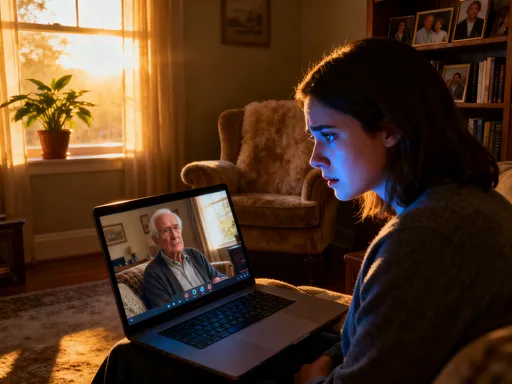
It was 3 a.m. again. The house was quiet, the kids were asleep, and yet my mind was racing like a car stuck in neutral. I was lying there, staring at the ceiling, thinking about the email I forgot to send, the dentist appointment I missed, the dinner I burned, and the fact that I hadn’t spoken to my sister in weeks. I felt like I was failing at everything—motherhood, work, marriage, even sleep. And the worst part? I didn’t know how to ask for help. I didn’t want to burden anyone. I thought, If I just push through, I’ll get past this. But I didn’t. The days blurred together. I started dreading mornings. I snapped at my kids over spilled milk. I cried in the shower so no one would hear. I was exhausted, emotionally drained, and completely isolated—even though I was surrounded by people.
One night, after another sleepless hour of scrolling through my phone, I typed into a search bar: “How do moms cope with stress?” What came up was a link to an online support group for women managing anxiety and daily life pressures. I hesitated. I’d tried online groups before—some were full of negativity, others completely silent. But something about this one felt different. The description said, “A safe space to share, listen, and grow—no judgment, just support.” I clicked “Join” before I could talk myself out of it. That small act, that tiny decision, turned out to be the first step toward feeling like myself again.
Why Most Online Groups Fail to Deliver
I’ll be honest—I joined 11 other groups before I found the one that truly helped. Some were too loud, with endless messages piling up every hour. I’d open the app and feel more overwhelmed than when I started. Others were too quiet—ghost towns where my messages would hang in the air, unanswered. And a few? They felt like high school all over again. One woman would post about her “perfect routine,” and everyone else would scramble to respond with praise, while I sat there thinking, I can’t even get out of my pajamas by noon. There was no real connection, no space to be honest.
What I realized after months of trying was that most online groups lack structure. They’re created with good intentions, but without clear guidelines, they either collapse into chaos or fade into silence. Some had no moderators, so arguments would escalate. Others had rigid rules that made people afraid to speak up. I remember one group where someone shared that they were struggling with anxiety, and another member replied, “Just pray more.” That wasn’t helpful. That wasn’t support. It was dismissal. I left that group the same day. What I needed wasn’t advice from someone who thought they had all the answers. I needed to feel seen. I needed to know that someone else was in the same messy, beautiful, exhausting place I was.
The truth is, we don’t just need community—we need organized community. A space where kindness is built into the design, where people show up regularly, and where the conversation flows in a way that feels natural, not forced. That’s what was missing. And that’s what I finally found.
How One Group Stood Out—And Why It Worked
The group that changed everything was small—only about 40 members. It wasn’t flashy or promoted on social media. It was private, invitation-only, and focused on one thing: helping women manage daily stress and anxiety through shared experience and practical strategies. When I joined, I was asked to introduce myself with just three things: my name, one thing I was struggling with, and one small hope I had for joining. That simple ritual made me feel human, not like a problem to be fixed.
What made this group different was balance. Every Monday, the moderators posted a theme—like “Managing Overwhelm” or “Small Wins” or “Asking for Help.” All week, members could share stories, tips, or just say, “Today was hard.” There were no pressure posts. No one had to perform. But there was also action. Every Friday, we got a gentle reminder: “What’s one thing you tried this week to care for yourself?” It wasn’t about big transformations. It was about tiny shifts—like drinking more water, setting a bedtime, or texting a friend.
My first real moment of connection came when I shared that I’d cried during a school pickup because I forgot the cupcakes for the class party. I braced myself for judgment. Instead, three women replied within minutes. One said, “I once brought store-bought cookies in a Tupperware and told them I baked them. We’re all faking it sometimes.” Another wrote, “You showed up. That’s what matters.” I read those messages and actually laughed—then cried again, but this time from relief. For the first time in years, I didn’t feel alone. I felt understood. And that changed everything.
The Hidden Structure Behind the Scenes
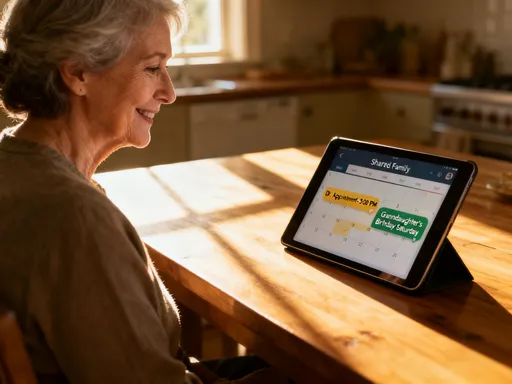
I used to think this group worked because of the people. But over time, I realized it worked because of the design. The moderators—two women who weren’t therapists, just experienced members—used simple, free tools to keep everything running smoothly. They created a shared Google Calendar with weekly themes and check-in times. They set up separate threads for different topics—like “Parenting Stress,” “Work-Life Balance,” and “Self-Care Ideas”—so conversations didn’t get lost in a messy feed. And every few days, they’d post a gentle nudge: “Hey, how’s everyone doing? No pressure to reply, but we’re here if you need to talk.”
What impressed me most was consistency. The same two women showed up every day, not to dominate the conversation, but to guide it. They’d highlight helpful posts, thank people for sharing, and quietly step in if someone seemed to be struggling. They never gave advice unless asked. Instead, they’d say things like, “That sounds really hard. Would you like to talk more about it?” That small shift—from fixing to listening—made all the difference.
They also protected the space. If someone posted something judgmental or dismissive, the moderators would send a private message: “We appreciate your input, but let’s keep the tone kind and supportive.” They didn’t shame, they didn’t argue—they just upheld the culture they’d built. Over time, members started doing the same. We began looking out for each other. If someone hadn’t posted in a while, we’d send a quiet message: “Just checking in. No need to reply, but I’m thinking of you.” That sense of quiet care became the heartbeat of the group.
From Sharing to Taking Action—How Ideas Become Habits
Here’s what surprised me: this group didn’t just make me feel better emotionally—it helped me do better. Every week, we had a “Tiny Challenge” that was practical and doable. One week it was “Put your phone away during one meal.” The next, “Spend 10 minutes outside, even if it’s just sitting on the porch.” Another week: “Say no to one thing you don’t have the energy for.” These weren’t grand gestures. They were small, intentional acts of self-care.
What made them stick was accountability. We’d post about our attempts—successes, failures, everything in between. One woman shared that she tried the “no phone at dinner” rule but ended up checking a work email. Instead of shame, she got support: “You still showed up. That’s progress.” Another member said she said “no” to a PTA committee and felt guilty for two days—but also lighter. We celebrated the messy efforts, not just the perfect outcomes.
For me, the biggest change came with sleep. I’d been staying up late, scrolling, trying to “steal” time for myself. The group introduced a “Wind-Down Wednesday” challenge: “Start a 30-minute bedtime routine—no screens, just calm.” I started with just 10 minutes: herbal tea, a book, soft music. I shared my progress every few days. Members cheered me on. When I slipped up, they reminded me, “Try again tomorrow.” Within a month, I was falling asleep faster, waking up less anxious, and actually feeling rested. That one small habit, encouraged by a group of strangers who felt like friends, changed my entire week.
How to Find or Build Your Own Supportive Space
You don’t have to wait to stumble upon the right group. You can create it. And the good news? You don’t need fancy tech or a big budget. All you need is a clear purpose, a few simple tools, and a commitment to kindness. If you’re looking to join a group, here’s what to watch for: Does it have clear rules? Are the moderators active? Do people respond with empathy, not advice? Does it feel safe to be honest? If the answer is no to most of these, it’s probably not the right fit.
If you can’t find what you need, start your own. Use a free platform like WhatsApp, Facebook Groups, or even a private Discord server. Begin small—invite 5 or 6 people you trust. Set a simple structure: a weekly check-in, a theme, and a shared space to post. Use a shared Google Doc for resources or a calendar for reminders. Keep it low-pressure. The goal isn’t perfection—it’s connection.
I started a small subgroup within the larger community for moms with young kids. We meet every Sunday night for a 15-minute voice note check-in. No video, no pressure. Just real voices, real feelings. One woman said, “Hearing someone else’s tired voice makes me feel less alone.” That’s the power of design. When you create space for honesty, support naturally follows. You don’t need hundreds of members. You just need a few people who show up, listen, and care.
The Quiet Power of Feeling Understood
Looking back, the biggest gift this group gave me wasn’t a new habit or a stress-management tip. It was the quiet, steady feeling of being understood. For years, I thought I had to handle everything on my own. I believed that asking for help was weakness. But this group taught me that reaching out is strength. It taught me that healing doesn’t always come from big breakthroughs—it often comes from small, consistent moments of connection.
Now, when I feel overwhelmed, I don’t isolate. I open the app and type, “Today was hard.” And within minutes, I get replies: “We see you.” “You’re not alone.” “You’re doing great.” Those words don’t erase my stress, but they hold it with me. They remind me that I’m part of something bigger—a circle of women who show up, not because they have it all figured out, but because they care.
That sense of belonging has become my anchor. It’s helped me sleep better, speak up more, and parent with more patience. It’s reminded me that I’m not broken—I’m human. And sometimes, just knowing that someone else gets it is enough to carry you through the hardest days.
Finding the right online support group didn’t solve all my problems, but it gave me something better: a sense of belonging and practical ways to cope. When organized with care, these communities become more than just chat rooms—they become lifelines. You don’t need a miracle. You just need the right space, the right people, and a little structure. And sometimes, that’s enough to change everything.