Tired of Worrying About Your Parents’ Health from Afar? Smart Video Calls That Check Vitals Without a Single Sensor
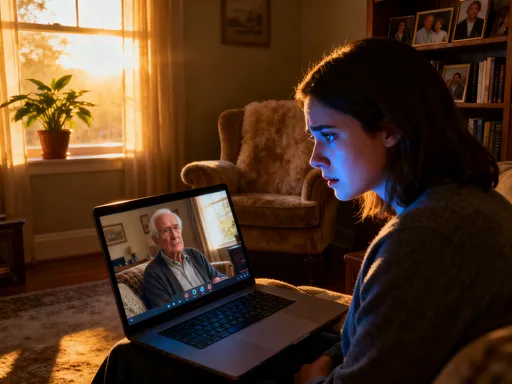
Living miles away from aging parents, you wave hello on screen, smiling—but inside, you’re wondering: Are they really okay? A slight tremor, a tired voice, a missed step. Small signs we miss in rushed chats. What if your weekly call could quietly track their heartbeat, movement, even breathing—without extra gadgets? Today’s video tools do more than connect faces. They’re becoming silent guardians of health, turning everyday moments into peace of mind. Let me show you how.
The Silent Worry: When “I’m Fine” Isn’t Enough
How many times have you ended a call with your mom or dad feeling a little… off? They said they’re fine, but something in their tone, a pause too long, a hand that shook just slightly as they lifted their tea—those tiny details linger. You want to believe them. You really do. But distance turns small doubts into heavy worries. You’re not being dramatic. You’re being human.
I remember calling my mom one Tuesday evening. She was sitting on her favorite armchair, sunlight behind her, smiling. “Everything’s good, sweetheart,” she said. But her voice was thinner than usual, and she kept touching her chest like it was an old habit. I didn’t think much of it then. A week later, she was diagnosed with mild heart failure. That moment changed everything for me. It wasn’t that she was hiding it—she honestly didn’t feel sick enough to mention. But I wish I’d known sooner. That’s when I started digging into how tech could help me see what words couldn’t say.
So many of us are in this boat. We love our parents deeply, but life pulled us to different cities, different time zones. We check in every week, sometimes every day. But those calls are often rushed—“How’s the weather?” “Did you eat?” “I love you, bye!”—and we miss the quiet clues. A stoop in their posture. A slower blink. A hesitation when they stand up. These aren’t just signs of aging. They can be early signals of something bigger. And most of us feel helpless because we don’t know how to look deeper—without making them feel watched or anxious.
But here’s the good news: you don’t need to be a doctor or a tech genius to get better insights. The tools are already in your home—and theirs. That tablet on their kitchen counter, the smartphone they use to video chat you every Sunday—they’re more than just ways to say hello. With a few smart tweaks and the right apps, they can quietly watch over your parents’ health, not with alarms or wires, but with care built into the moment.
Beyond Talking Heads: What Modern Video Calls Can Actually Detect
Let’s get one thing straight: your video call isn’t turning into a hospital machine. No beeping, no needles, no stress. But behind the scenes, something pretty amazing is happening. Thanks to AI and better cameras, the video apps we use every day—like Zoom, FaceTime, or Google Meet—can now pick up on tiny physical signals just by looking at someone’s face and movements. And the best part? No extra gadgets. No wristbands, no chest straps, no setup drama. Just a normal call, but smarter.
Here’s how it works, in simple terms. When light hits your skin, tiny changes in blood flow affect how your face looks—way too subtle for the human eye. But AI-powered software can detect these micro-changes in color and movement. By analyzing how blood pulses through the face during a call, the system can estimate heart rate—accurately, and in real time. Think of it like a heartbeat monitor, but instead of a sensor, it uses pixels. Studies from MIT and other research labs have shown this method, called remote photoplethysmography, can be surprisingly reliable under good lighting and stable conditions.
But it doesn’t stop there. The same tech can also track breathing patterns. Is your dad taking shallow breaths? Is your mom pausing between sentences like she’s catching her breath? The camera can pick up the rise and fall of the chest, even through clothes. Irregular breathing could signal anything from anxiety to early lung issues—and catching it early makes a big difference.
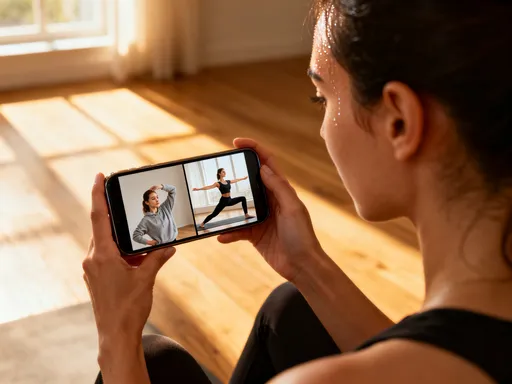
And then there’s movement. How quickly does your parent stand up? Do they steady themselves on the chair? Does their walk look unsteady on camera when they move out of frame? Some apps now use motion analysis to detect changes in gait or balance—key predictors of fall risk. For older adults, falls are one of the biggest health dangers, but most families only find out after it’s too late. This tech can help change that.
You’re probably thinking, “That sounds like science fiction.” But it’s not. Companies like Current Health, Binah.ai, and even features being tested in mainstream platforms are already offering this. And the beauty is, your parents don’t need to do anything differently. They don’t have to wear anything. They just keep doing what they love—chatting with you.
Setting Up for Success: Choosing the Right Tools and Conditions
Now, let’s talk about how to make this work in real life. Because no matter how smart the tech is, it needs a few simple things to work well. The good news? None of this requires a tech degree or a big budget. You just need the right setup—and a little patience.
First, think about the device. Most smartphones, tablets, and laptops today have cameras good enough for this kind of analysis. You don’t need the latest model. What matters more is placement and lighting. For the best results, your parent’s device should be on a stable surface—like a table or stand—so it doesn’t wobble. The camera should be at eye level, so their face fills the center of the screen. That way, the software has a clear, steady view.
Lighting is huge. Natural light is best—so placing the device near a window during the day can make a big difference. But avoid backlighting, where the light is behind them. That creates shadows on their face, and the software struggles. If they’re calling in the evening, a soft lamp in front of them—like a reading light—can help. Just nothing too bright or flickering.
Now, about the apps. Not all video platforms offer built-in health tracking yet, but some do. Apple’s FaceTime, for example, doesn’t have it natively, but third-party apps can run alongside it. Zoom has started integrating wellness features in certain healthcare versions. Google Meet is being used in clinical trials with AI add-ons. The easiest path? Look for apps like Current Health or Binah.ai, which work with your existing devices and can be used during regular calls. Some even send you a gentle alert if they detect something unusual—like a high heart rate or irregular breathing—without recording or storing video.
And don’t forget the internet. A stable Wi-Fi connection is key. If the video freezes or lags, the data gets spotty. If your parent’s internet is slow, suggest a simple router restart or moving closer to the modem. Sometimes, just repositioning the device can boost the signal.
The goal isn’t perfection. It’s consistency. You’re not running a medical test. You’re making your regular call a little more insightful. And the more natural it feels for your parent, the more likely they’ll keep using it.
Reading Between the Pixels: How to Spot Health Clues During a Call
Even if you’re not using AI tools yet, you can still become a better observer. And no, this isn’t about playing detective. It’s about caring with your eyes open. Over time, you’ll start to notice patterns—what’s normal for your mom, what’s a little off.
Take skin tone. Is her face looking a bit more yellow than usual? That could be a sign of liver or gallbladder issues. A pale or grayish tint might suggest low oxygen or circulation problems. Swelling in the ankles or feet, visible when she’s sitting, could point to heart or kidney concerns. These aren’t things to panic over—but they are worth a gentle follow-up.
One friend of mine noticed her dad kept touching the left side of his neck during calls. She didn’t think much of it—until she saw it three weeks in a row. She asked, “Dad, does your neck feel stiff?” Turned out, he’d been having headaches and mild dizziness. A doctor visit later, and he was treated for high blood pressure before it became a crisis. That small question—asked with love, not fear—made all the difference.
Speech and facial expressions matter too. Is he slurring words slightly? Is one side of his face moving less than the other? These could be early stroke signs. Does she seem unusually tired or confused? Memory lapses or disorientation during a call shouldn’t be brushed off as “just aging.”
And don’t ignore energy levels. If your mom used to chat for 30 minutes and now she’s ending calls early, saying she’s “just a bit tired,” that might be worth exploring. Low energy can be linked to anemia, thyroid issues, or even depression—all treatable if caught early.
The key is to notice without alarming. You’re not diagnosing. You’re caring. A simple, “You seem a little out of breath today—everything okay?” goes a lot further than silence. It shows you’re paying attention, not just listening.
Privacy and Trust: Keeping It Safe and Kind
I get it. The idea of “monitoring” your parents, even with good intentions, can feel a little… uncomfortable. Like you’re crossing a line. And your parents might feel that way too. That’s why trust and transparency matter more than any tech feature.
Before turning on any health-tracking app, talk to them. Not as a caregiver giving orders, but as a child who loves them. Say something like, “I worry about you when we’re apart. There’s this new feature in our calls that can check your heart rate—like a gentle check-up, but invisible. Would you be okay trying it? It’s just so I can feel more at ease.”
Let them say no. And if they do, respect that. This isn’t about control. It’s about care. Some parents love the idea—they feel safer knowing someone’s quietly looking out for them. Others might feel watched. That’s okay. The goal is comfort, for both of you.
Also, pay attention to data privacy. Not all apps are created equal. Stick to ones that don’t store video, don’t share data, and don’t sell your information. Look for HIPAA-compliant tools if possible—those meet strict U.S. health privacy standards. And never record calls without consent. This isn’t surveillance. It’s support.
Think of it like a smoke detector. You don’t install one because you expect a fire. You do it because it gives you peace of mind. This tech is the same—a quiet safety net, not a spotlight.
Real Gains: Stories of Early Warnings and Peace of Mind
Let me share a few real stories—names changed, but feelings very real. These aren’t miracles. They’re moments where a little tech, paired with love, made a difference.
There’s Maria, 68, who video-chats her daughter every Sunday. One call, the AI tool they were testing flagged an irregular heart rhythm. Maria felt fine—no chest pain, no dizziness. But her daughter gently suggested a doctor visit. Turns out, she had atrial fibrillation, a condition that increases stroke risk. With early treatment, she’s now managing it well. “I had no idea,” Maria said. “I’m so glad we caught it when we did.”
Then there’s James, 74, who lives alone. His son noticed during a call that James was holding onto the wall when he walked. The AI motion tracker confirmed a slight balance issue. They set up a fall-prevention plan—simple strength exercises, home safety fixes, and a medical check. Six months later, James says he feels steadier than he has in years.
And Susan, 71, started using a health-tracking app after her husband passed. Her daughter was worried she wasn’t eating well. The app didn’t just track vitals—it showed patterns. Susan’s heart rate was often elevated in the evenings. A doctor visit revealed anxiety and mild dehydration. With small changes—more water, a daily walk, therapy—she’s thriving again.
These aren’t one-off wins. They’re proof that everyday tech, used with care, can become part of your family’s health safety net. It’s not about replacing doctors. It’s about giving you and your loved ones more time, more clarity, and more confidence.
Making It Routine: Turning Calls into Care Without the Stress
Here’s the truth: you don’t need to turn every video call into a medical exam. That would be exhausting—for you and your parents. The goal is balance. A five-minute chat can still be full of love, laughter, and grandkid updates—and also quietly check in on health.
Start small. Use the tech once a week, during your regular call. Let it run in the background. Focus on connection first. The health insights are just a bonus. Over time, you’ll learn what’s normal, what’s worth a gentle question, and when to suggest a doctor visit.
And remember, this isn’t about adding more to your plate. It’s about making what you’re already doing—calling your parents—work a little harder for their well-being. You’re already showing up. Now, you’re showing up with a little extra support.
So the next time you wave hello on screen, know this: your love is already healing. And now, with a little tech by your side, it’s also protecting. You’re not just saying, “I miss you.” You’re saying, “I’m here. I see you. And I’ve got your back.” That’s not just smart tech. That’s smart love.