I used to miss my coffee shop rewards: How a simple app nudge made mornings smoother
Ever woken up rushing, forgotten your loyalty card, and missed out on your free morning coffee? You're not alone. That tiny frustration became my daily guilt—until a small tech fix changed everything. No more digging through wallets or forgetting points. This isn’t about flashy gadgets; it’s about real relief in the chaos of morning routines. Let me show you how smarter communication between apps and habits can give you back time, ease, and that little win every single day.
The Morning Rush That Almost Broke My Routine
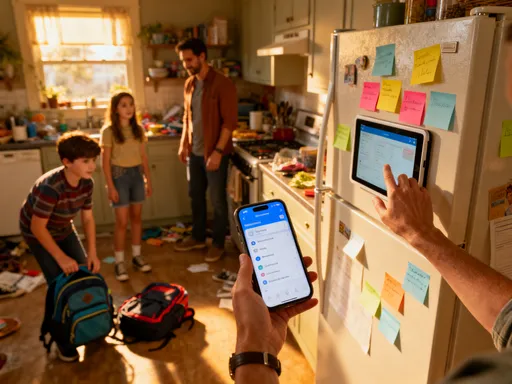
I used to be the woman sprinting into the coffee shop with one shoe untied, my hair half-brushed, phone buzzing with school drop-off reminders. My kids were in the backseat, arguing over who got the last granola bar, and I was already three steps behind. In that blur, I’d remember—too late—that today was the day I’d finally earned my free latte. But where was my loyalty card? Buried somewhere in my overstuffed wallet, probably next to last month’s parking receipt.
It sounds small, right? Just a free coffee. But those little oversights piled up. Missing that reward didn’t just cost me a few dollars—it chipped away at my sense of control. It made me feel like I was failing at the basics, like I couldn’t even manage a simple habit without dropping the ball. And I know I’m not alone. So many of us are juggling so much—homes, families, work, meals, schedules—that the idea of remembering a digital stamp card feels almost laughable. We’re not forgetful because we’re careless. We’re overwhelmed because life moves fast, and the tools we’re given don’t keep up.
That’s when it hit me: maybe the problem isn’t me. Maybe it’s the system. Why should I have to remember everything? Why can’t the technology I already use—my phone, my calendar, my apps—work together to support me, instead of adding to the noise? I wasn’t asking for a robot butler. I just wanted a little help not missing out on something I’d already earned.
How Forgotten Perks Hurt More Than We Think
We sign up for loyalty programs all the time. The grocery store. The pharmacy. That cute boutique downtown. We tap “join now” with good intentions, thinking, Yes, I’ll use this. But then life happens. The app sits unused. Points expire. Rewards go unclaimed. And we barely notice—until we do. And when we do, it stings. Not because of the money, but because it feels like proof that we’re not on top of things.
Studies show that the average person is enrolled in over a dozen loyalty programs but actively uses fewer than three. Think about that. We’re surrounded by benefits we’re not taking advantage of—discounts, early access, free items—just because the system doesn’t meet us where we are. It’s not laziness. It’s poor design. Most apps send generic reminders at random times, if they send any at all. Or worse, they bombard you with push notifications that you swipe away without reading. They don’t know your rhythm. They don’t know that 8:17 a.m. is your only quiet moment before the day explodes.
And here’s the deeper cost: every missed perk chips away at your confidence. When you keep forgetting things you meant to do, you start to believe you’re disorganized. You start to feel like you’re always one step behind. But what if that feeling isn’t about your ability—it’s about the tools you’re using? What if the real issue is that your technology isn’t adapting to your life, but expecting you to adapt to it? That’s backwards. We built these tools to serve us. They should remember so we don’t have to.
The Tech That Finally Got Me—Without the Hype
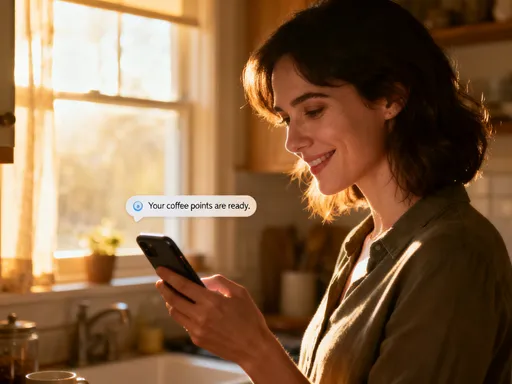
Then I found an app that changed everything—not because it was flashy, but because it was quiet. No blinking banners. No aggressive alerts. Just a gentle notification one morning: “Your coffee points are ready. You’re 0.2 miles from your favorite café.” I looked up. There it was—the shop, right around the corner. I hadn’t even realized I was near it. And just like that, I walked in, tapped my phone, and got my free latte. No stress. No digging. No guilt.
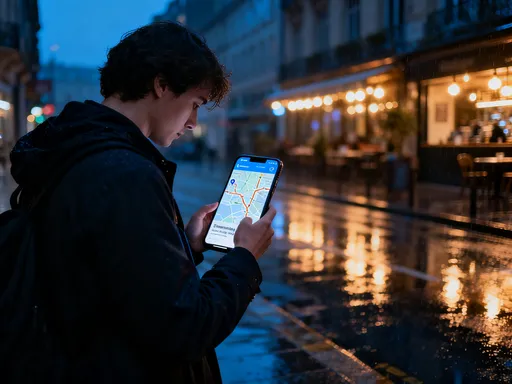
What made it different? It wasn’t magic. It was context-aware design. The app learned my habits—when I usually walk that route, what time I pass the café, how often I visit. It didn’t interrupt me during meetings or bedtime stories. It waited for the right moment. It used location and timing in a way that felt helpful, not invasive. And it only spoke up when it had something useful to say.
This isn’t science fiction. It’s the kind of smart, subtle tech that’s finally starting to catch on. Instead of treating users like machines who respond to constant pings, it treats us like humans with routines, emotions, and real lives. It doesn’t demand attention—it offers support. And the best part? It didn’t require me to do anything differently. I didn’t have to learn a new interface or spend hours setting it up. I just turned on location permissions and let it learn. Within days, it knew me better than I expected.
Why Timing Is Everything in Communication Design
Have you ever gotten a notification at the worst possible time? A sale alert during your child’s school play. A reminder to buy flowers while you’re in the middle of a work crisis. That’s not helpful—that’s noise. And we’ve all trained ourselves to ignore it. But when a message comes at the right moment, it feels like a gift. Timing isn’t just a detail—it’s the difference between annoyance and assistance.
Psychologists call this behavioral alignment—matching communication to a person’s natural rhythms and energy levels. For example, most people are more receptive to positive nudges in the morning, right after they’ve had coffee and before the day’s stress kicks in. That’s the perfect window for a gentle reminder: “You’re close to your goal. One more visit and you get a free pastry.” It lands differently when it arrives at 8:30 a.m. versus 8:30 p.m., when you’re already exhausted.
And it’s not just about time of day. It’s about context. Are you near the store? Did you just finish a workout and might want a smoothie? Are you on your usual route home? The most effective tech doesn’t shout. It whispers at the right moment. It knows when you’re open to hearing it. That’s why the best apps don’t just send alerts—they wait. They observe. They learn. And when they finally speak, it feels like they were listening all along.
Building a Morning Flow That Works With You
You might be thinking, “That sounds great, but how do I set something like this up?” The good news? It’s easier than you think. You don’t need a tech degree or a budget for new gadgets. Most of what you need is already in your pocket. Let’s walk through it step by step—no jargon, no stress.
First, pick one loyalty program you actually care about. Maybe it’s your go-to coffee shop, your grocery store, or the dry cleaner you visit every other week. Download their official app—yes, the one you’ve ignored for months. Open it, log in, and go to the settings. Look for options like “location alerts,” “smart notifications,” or “personalized reminders.” Turn them on. This lets the app know when you’re nearby and ready to act.
Next, sync it with your calendar if you can. Some apps let you connect your schedule so they know when you’re likely to be out and about. For example, if you have “school drop-off” or “morning walk” on your calendar every weekday, the app can use that to predict your movements. It’s not tracking you—it’s helping you. Think of it like a thoughtful assistant who remembers your routine and quietly steps in when needed.
Then, link your payment method. This part makes a huge difference. When your loyalty account is tied to your card or digital wallet, you don’t have to pull out your phone or remember a barcode. The system recognizes you automatically. No fumbling. No embarrassment. Just seamless rewards. I know it sounds small, but that one change—linking my card—meant I stopped missing my free coffee completely. It became effortless.
The key is starting small. Don’t try to connect every app at once. Pick one. Make it work. See how it feels. Once you’ve got the hang of it, you can expand to other areas—your pharmacy, your gym, your favorite bookstore. But begin with what matters most to you. That’s how real change happens: not in giant leaps, but in quiet, consistent wins.
Beyond Coffee: How This Changes Daily Confidence
Here’s what surprised me most: it wasn’t just about the coffee. Once I started consistently earning and redeeming my rewards, something shifted inside. I felt more capable. I wasn’t just remembering my loyalty card—I was showing up for myself. I was honoring the small promises I made. And that tiny sense of follow-through started to ripple into other parts of my life.
I began packing lunches the night before. I started using my grocery points without forgetting them at checkout. I even remembered to schedule my annual check-up—because the reminder actually reached me at a time I could act. These aren’t huge achievements, but together, they built something powerful: self-trust. When you prove to yourself that you can rely on your systems, you start to believe you can rely on you.
My family noticed, too. My kids said I seemed “less stressed in the mornings.” My husband commented that I was “more present” at breakfast. And I realized—when I’m not scrambling, when I’m not chasing after what I forgot, I have more space. Space to smile. To listen. To breathe. That’s the real reward. It’s not the free latte. It’s the peace that comes from knowing you’ve got this.
And that confidence grows. When you experience small wins every day, you start to expect them. You stop seeing yourself as someone who “always forgets” and start seeing yourself as someone who “gets things done.” That mindset shift is everything. It changes how you approach your day, your goals, your dreams. You begin to believe that maybe, just maybe, you’re more organized, more capable, and more in control than you thought.
Making Technology Feel Human Again
We’ve all had moments where tech feels cold. Impersonal. Like it’s working against us instead of with us. Pop-ups that won’t close. Apps that drain our battery. Voice assistants that misunderstand us for the tenth time. It’s exhausting. But it doesn’t have to be that way. The future of technology isn’t about being faster or flashier. It’s about being kinder. More thoughtful. More human.
The best tools aren’t the ones that impress us—they’re the ones we barely notice. They’re the ones that work quietly in the background, remembering what we can’t, showing up when we need them, and disappearing when they’re done. They don’t demand our attention. They earn it. And when they do, it feels like a partnership, not a chore.
That’s what I’ve found with this simple app nudge. It didn’t change my life in a dramatic way. But it changed my mornings. And mornings matter. They set the tone. When you start your day with a small win—a free coffee, a smooth transaction, a moment of calm—you carry that forward. You walk into the rest of your day with a little more ease, a little more hope, a little more belief in yourself.
So if you’re feeling overwhelmed, if you’re tired of forgetting the little things, I want to offer you this: it’s not you. You’re not failing. You’re just using tools that weren’t designed for real life. But better ones exist. Ones that understand rhythm. That respect your time. That work with you, not against you. And when you find them, when you let them help, you might just find that you’re not just surviving your mornings—you’re enjoying them.