After trying 12 screen time apps, this one finally got my kids to listen without the fights
Remember those peaceful family dinners without someone staring at a screen? I didn’t either—until I found the right app. Like many parents, I’ve battled over tablet time, late-night scrolling, and the endless “Just five more minutes!” This isn’t about strict rules or digital punishment. It’s about tools that actually work with real family life. One app changed how my kids and I talk about screen time—making it collaborative, calm, and surprisingly positive. It didn’t just reduce screen minutes; it opened up conversations we’d been avoiding for years. And for the first time, I felt like we were on the same team.
The Screen Time Struggle No One Talks About
Most evenings used to feel like a negotiation I never signed up for. I’d walk in the door, tired from work, ready to connect, only to find my 10-year-old curled on the couch with headphones in, eyes glued to a cartoon marathon, and my 13-year-old upstairs, texting friends under the covers. “Dinner’s ready,” I’d say, only to be met with sighs, eye rolls, and the classic, “Just five more minutes!” Those five minutes stretched into twenty, then thirty, and by the time they finally showed up, the food was cold and my patience was gone.
It wasn’t just about the screens. It was about the disconnect. I wasn’t just fighting for attention—I was fighting for presence. My kids weren’t being defiant on purpose. They were simply caught in the pull of content designed to keep them engaged, and I was the bad guy trying to break the spell. The guilt crept in too—was I too lenient? Too strict? Was I failing them by not setting better boundaries? But every time I tried to lay down the law, it turned into a power struggle. I’d set timers. I’d make rules. I’d even take devices away—only to find my daughter borrowing her friend’s phone or my son sneaking the tablet after bedtime.
What I didn’t realize then was that the real problem wasn’t screen time—it was trust. My kids didn’t feel heard, and I didn’t feel respected. We were both stuck in a cycle of control and resistance. I wanted them to understand why balance mattered—because I cared about their sleep, their focus, their creativity. But yelling, “You’re going to ruin your eyes!” wasn’t getting through. What we needed wasn’t another rule. We needed a system that invited them in, not shut them out.
Why Most Screen Time Tools Backfire
I won’t lie—I tried almost everything. I downloaded apps that promised to “take back control,” tools that let me remotely lock devices with the tap of a button. I used built-in parental controls, set up strict schedules, and even tried the old-school method of a physical timer on the kitchen counter. Some of these tools worked—for a day. Then came the workarounds. My son figured out how to reset the router. My daughter found a way to switch accounts and bypass the time limit. It wasn’t that they were being sneaky out of malice. They just wanted autonomy, and when it was taken away, they found ways to reclaim it.
That’s when I realized: top-down control doesn’t teach responsibility. It teaches resentment. When kids feel like their screen time is being policed, they don’t learn self-regulation—they learn how to game the system. And honestly? I didn’t want to be the screen police. I wanted to be the parent who guided, not the warden who monitored. Most tools treat screen time like a problem to be solved with more restrictions. But that approach misses the point. Screens aren’t going away. Our kids will grow up in a digital world. The goal isn’t to eliminate screen time—it’s to help them build a healthy relationship with it.
I also noticed something subtle but important: the more I controlled, the less my kids communicated. They stopped telling me what they were watching, who they were talking to, or how they were feeling about it. The conversation shut down. And that worried me more than any extra hour of YouTube. Because without open dialogue, how could I help them navigate online safety, digital kindness, or even their own emotional habits? I needed a tool that didn’t just limit time—it had to open the door to real connection.
Finding the App That Changed Everything
After trying over a dozen apps—some too complicated, others too rigid—I finally found one that felt different. It wasn’t the fanciest. It didn’t have 50 features or AI-powered analytics. But it had something rare: it was designed with families in mind, not just parents. From the first setup, it asked us to create screen time agreements together. My kids got to choose their daily limits, pick their wind-down routines, and even decide what “reward time” looked like for completing chores or homework.
The shift was almost immediate. Instead of me saying, “Time’s up!” the app would send a gentle alert: “You have 10 minutes left on your game.” And then—here’s the miracle—my son would actually say, “Okay, I’ll wrap this up.” No yelling. No tears. No broken promises. He wasn’t being controlled. He was being reminded—and he felt ownership because he helped set the rules.
What made this app different was its focus on collaboration. It had visual timers that showed time passing in colors—green for plenty of time, yellow for winding down, red for almost done. My daughter loved that. She said it made time feel “fair.” There were also family challenges—like “No screens during dinner for three days” or “Earn extra weekend time by reading for 30 minutes.” We started treating it like a team game, not a punishment system. The app didn’t replace parenting. It supported it. And for the first time, I wasn’t the enemy. I was part of the solution.
How It Works: A Day in Our New Routine
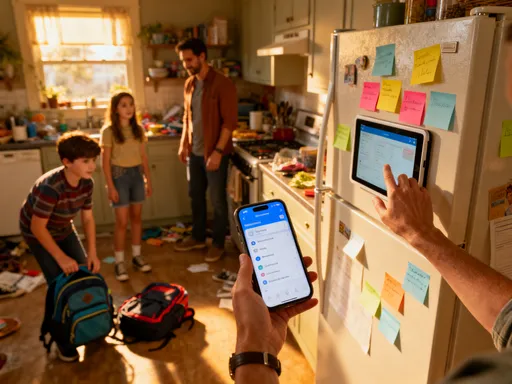
Our mornings now start with a quick family check-in on the app. We review the day’s screen plan: schoolwork time, free time, and any special requests—like watching a movie after homework. My kids know exactly what’s expected, and I know they’re not guessing. It removes the daily “Can I have screen time?” question because the plan is already set.
After school, there’s a built-in balance. The app encourages a 30-minute “recharge” period—no screens, just snack, chat, or quiet time. Then, they get their first chunk of free time. I love how the app sends a soft chime when time is running low, not a harsh alarm. It feels respectful, not urgent. One day, I heard my daughter say to her brother, “Hey, you’ve got five minutes left. Want to finish your level together?” That never would’ve happened before. Now, they’re reminding each other—kindly, calmly.
Evenings are smoother too. We have a shared “wind-down” schedule that turns off entertainment apps an hour before bed. Instead of fighting over bedtime scrolling, we’ve replaced it with family board games or reading. The app even lets us schedule “device-free zones” like the dinner table or the living room couch. And because the kids helped design these rules, they actually follow them. The best part? I don’t have to be the timekeeper. The tool does it with kindness, and I get to be the mom who says, “Great job sticking to your plan!” instead of “I told you ten times to stop!”
Building Trust, One Screen Session at a Time
Over the weeks, I started noticing changes that went way beyond fewer arguments. My kids began making their own choices. One afternoon, my son paused his game and said, “I think I’ve had enough. I want to go outside.” I almost didn’t believe it. No nagging. No guilt. Just a quiet decision. Another time, my daughter asked if she could trade her evening screen time for extra time at the park with a friend. That kind of negotiation? That’s real responsibility.
The app’s transparency helped them understand that limits weren’t about me being “mean” or “controlling.” They could see their weekly usage, compare it to their goals, and even adjust their plans. When they hit their screen limit, it wasn’t a surprise—it was a choice they had agreed to. And when they wanted more time, they had to earn it by completing tasks or choosing offline activities first. That sense of agency made all the difference.
We also started having real conversations about why screen balance matters. One night, after using the app’s reflection prompt, my daughter said, “I noticed I feel more tired when I watch videos late at night.” That opened a gentle talk about sleep and energy. I didn’t lecture. I just asked, “What do you think would help you feel better?” She suggested an earlier cutoff, and we updated her plan together. These weren’t top-down rules. They were shared discoveries. And that’s how trust grows—not through control, but through collaboration.
When Tech Meets Emotional Intelligence
One of the most unexpected benefits of this app was how it helped my kids tune into their feelings. It includes simple check-in prompts like, “How do you feel after screen time?” or “What did you enjoy most today?” At first, my kids rolled their eyes. “Mom, that’s so weird.” But after a few weeks, they started answering honestly.
One evening, my son said, “I think I played too much today. I feel kind of sluggish.” No shame. No defensiveness. Just self-awareness. That moment hit me hard. This wasn’t just about managing time—it was about building emotional intelligence. He wasn’t waiting for me to tell him he’d had enough. He was figuring it out for himself.
The app also asks questions like, “Was your screen time fun, stressful, or boring?” That helped my daughter recognize when she was scrolling just to avoid homework or because she was feeling lonely. She started saying things like, “I think I was using my phone because I didn’t want to face my math assignment.” That kind of insight? That’s gold. It’s not something a timer or a lockout screen could ever teach. But an app designed with empathy—something that invites reflection instead of resistance—can open doors to self-understanding.
I’ve even started using the check-ins myself. Sometimes, after a long day of emails and news scrolling, I’ll answer, “I feel overwhelmed.” And just naming it helps. It reminds me that balance isn’t just for kids. It’s for all of us.
A Calmer Home, One Decision at a Time
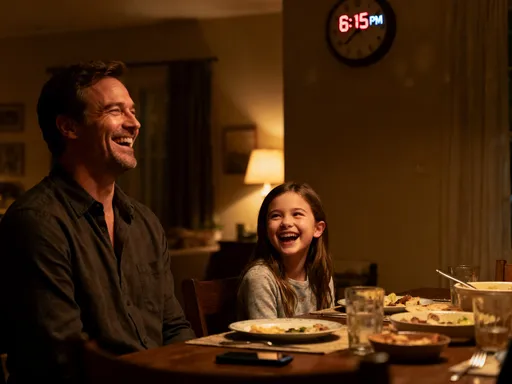
Looking back, I realize the app didn’t just change our screen habits—it changed our family culture. Dinners are quieter now, not because we’re not talking, but because we’re actually listening. Faces are up. Laughter is real, not recorded. Bedtime isn’t a battle. And for the first time in years, I feel like we’re in this together.
The real power of this tool isn’t in its alerts or timers. It’s in the space it creates—for conversation, for trust, for growth. My kids don’t feel policed. They feel supported. And I don’t feel like I’m failing. I feel like I’m guiding. That shift in mindset has been everything.
Technology will always be part of our lives. Our kids will grow up surrounded by screens, apps, and endless content. We can’t—and shouldn’t—try to remove it. But we can shape how they engage with it. We can teach them balance, awareness, and responsibility—not through fear or force, but through partnership.
This app didn’t give me back control. It gave us back connection. And that’s worth more than any extra minute of peace. If you’re tired of the fights, the guilt, the endless “just five more minutes,” I encourage you to look beyond the tools that only restrict. Find one that invites. One that listens. One that helps your family grow—not just survive—the digital age. Because at the end of the day, it’s not about winning the screen time battle. It’s about raising kids who can make smart, kind, and balanced choices—on their own.