You Won’t Believe How Moving Changed My Mind
Living with constant anxiety and low mood used to be my normal—until I discovered the surprising power of movement. It wasn’t about intense workouts or strict routines, but simple, consistent physical activity that gradually transformed my mental state. Science shows exercise boosts brain chemicals linked to mood and focus, yet most of us overlook it as a mental health tool. This is how I turned small steps into real change.
The Hidden Link Between Body and Mind
For years, the idea of exercise brought to mind images of gym memberships, sweaty workouts, and strict regimens that felt more like punishment than relief. The focus was always on appearance—losing weight, toning muscles, or fitting into a certain size. What I didn’t realize was that the most profound benefits of movement weren’t visible in the mirror, but happening deep within the brain. Research in neuroscience and psychology now confirms that physical activity is one of the most effective, natural ways to support mental well-being. When we move our bodies, we are not just strengthening muscles—we are reshaping our minds.
The brain responds quickly and positively to movement. Physical activity increases blood flow, delivering more oxygen and nutrients to brain cells. At the same time, it triggers the release of key neurotransmitters like serotonin, dopamine, and endorphins—chemicals that regulate mood, motivation, and stress response. Serotonin, often called the “feel-good” chemical, helps stabilize emotions and is commonly targeted by antidepressant medications. Exercise naturally boosts its production, offering a drug-free way to improve emotional balance. Endorphins, meanwhile, act as the body’s own painkillers and mood lifters, creating what many describe as a “runner’s high,” even after gentle activity.
Another important brain chemical influenced by movement is brain-derived neurotrophic factor (BDNF), sometimes referred to as “fertilizer for the brain.” BDNF supports the growth and survival of neurons, particularly in the hippocampus—the region linked to memory and emotional regulation. Low levels of BDNF are associated with depression and cognitive decline, while regular physical activity has been shown to increase its presence. This means movement doesn’t just help us feel better in the moment—it can actually enhance brain structure over time, improving resilience against stress and negative thinking patterns.
Despite this growing body of evidence, many people still overlook movement as a mental health strategy. One reason is the misconception that only intense or prolonged exercise counts. The truth is, even light activity—like a ten-minute walk, stretching, or gentle dancing—can initiate these beneficial changes. A study published in JAMA Psychiatry found that people who engaged in modest physical activity, such as walking for 15 minutes a day, experienced a significantly lower risk of developing depression over time. The brain doesn’t require marathon training to respond; it simply needs consistent motion. By understanding this connection, we begin to see movement not as a chore, but as a form of mental self-care.
Why Traditional Advice Falls Short
Most exercise recommendations are built around fitness goals—burning calories, building endurance, or improving physical performance. While these objectives have value, they often miss the emotional realities of people struggling with anxiety, low mood, or mental fatigue. Telling someone who feels overwhelmed to “exercise for 30 minutes a day” can feel like adding another burden to an already heavy load. The gap between intention and action is especially wide when mental energy is low. On difficult days, even getting out of bed can feel like a victory—let alone lacing up sneakers and stepping into a workout routine.
Traditional advice also tends to be rigid and one-size-fits-all. It assumes motivation is constant and willpower is unlimited. But mental health doesn’t follow a linear path. Some days, a person may feel hopeful and energized; on others, even small tasks can seem insurmountable. When guidance doesn’t account for these fluctuations, it sets people up for frustration and failure. The result is a cycle of starting, stopping, and self-criticism—exactly the opposite of what someone with anxiety or depression needs.
Another issue is the focus on measurable outcomes. Many fitness apps and programs emphasize tracking steps, calories burned, or workout duration. While data can be motivating for some, for others it becomes a source of pressure. When movement is tied to performance, it loses its therapeutic potential. The goal is no longer how you feel, but how much you’ve done. This shift can turn a potentially healing practice into another arena for self-judgment.
The real challenge isn’t a lack of information—it’s a lack of compassionate, flexible strategies that meet people where they are. What’s needed isn’t more rules, but smarter approaches that honor emotional states. Instead of asking, “How can I push myself harder?” the better question is, “What kind of movement would feel supportive today?” This mindset shift—from obligation to self-kindness—opens the door to sustainable change. By designing movement practices that align with mental energy levels, we make it possible to begin, even on the hardest days.
Starting Small: The 5-Minute Mind Shift
The turning point in my journey came when I stopped thinking about exercise as an all-or-nothing event and started seeing it as a daily choice. I adopted the “5-minute rule”: commit to just five minutes of movement, with full permission to stop after that. No pressure, no expectations. The idea was simple—lower the barrier to entry so much that starting felt almost effortless. I told myself I didn’t have to finish, I didn’t have to do it well, I just had to begin.
On my first attempt, I stood in the living room, unsure what to do. I put on a favorite song and started swaying—nothing choreographed, just moving to the rhythm. After five minutes, I could have stopped. But something unexpected happened: I felt slightly lighter, less trapped in my thoughts. So I kept going for another song, then another. That small act didn’t “cure” my anxiety, but it created a tiny shift—a crack in the heaviness that had settled over me.
This principle is supported by behavioral science. The hardest part of any habit is the initiation. Once we begin, momentum often carries us further than we planned. The 5-minute rule works because it tricks the brain into action. When we tell ourselves “just five minutes,” resistance drops. We’re not committing to a long session—we’re simply showing up. And once we’re in motion, the body and mind often want to continue.
Other small movements can serve the same purpose. A slow walk around the block, gentle stretching on the floor, or even standing and reaching toward the ceiling can activate the nervous system in positive ways. The key is consistency, not intensity. Doing something small every day builds a foundation of trust with yourself. Over time, these micro-actions accumulate, creating a sense of agency and progress. You begin to believe that change is possible—not because you’ve achieved a fitness milestone, but because you’ve shown up for yourself, again and again.
Matching Movement to Mood
One of the most empowering realizations was that not all movement serves the same purpose. Just as we choose different foods to nourish our bodies, we can choose different types of physical activity to support our emotional state. The goal is not to follow a fixed routine, but to listen to your inner signals and respond with intention. This approach turns movement into a personalized tool for emotional regulation.
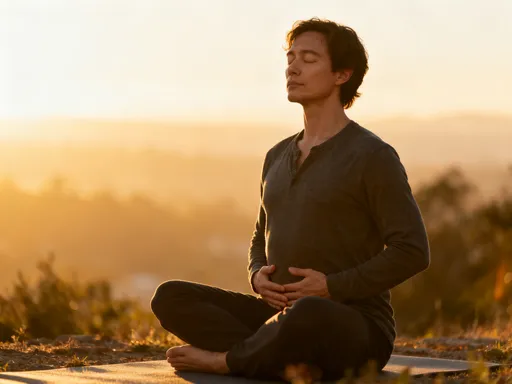
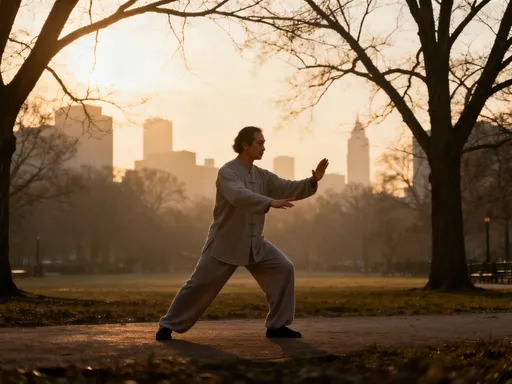
When energy is low and motivation is nearly gone, high-intensity workouts can feel overwhelming and counterproductive. In those moments, gentle, grounding activities are more effective. Practices like restorative yoga, tai chi, or a slow walk in nature help activate the parasympathetic nervous system—the body’s “rest and digest” mode. These movements are not about exertion; they are about presence. Focusing on breath and slow motion sends a signal to the brain that it’s safe to relax. Over time, this can reduce the background hum of anxiety and improve emotional stability.
On the other hand, when feelings of restlessness or agitation arise, rhythmic, repetitive motion can be incredibly soothing. Activities like brisk walking, jogging, cycling, or even rhythmic household tasks like sweeping or folding laundry help regulate the nervous system. The steady pace creates a meditative effect, calming the mind and reducing mental chatter. This is especially helpful for people who experience racing thoughts or difficulty concentrating. The physical rhythm provides an anchor, bringing focus back to the present moment.
When emotions feel flat or numb, more energizing movement can help reawaken the body. Dancing to upbeat music, playing with children or pets, or engaging in active chores like gardening or cleaning with purpose can stimulate circulation and mood. These activities don’t need to be structured—they just need to involve joy and engagement. The goal is not to “fix” the emotion, but to gently shift the body’s state, which often allows emotions to move as well. By learning to match movement to mood, we develop a deeper relationship with our bodies and gain practical tools for daily emotional balance.
Building a Routine That Sticks
Willpower is unreliable. Everyone has days when motivation is low, stress is high, or life feels too demanding to add one more thing. Relying on motivation alone is a recipe for inconsistency. Lasting change comes not from bursts of effort, but from designing a lifestyle that makes movement easy and natural. This means shifting the focus from discipline to environment and habit design.
One effective strategy is habit stacking—linking a new behavior to an existing one. For example, putting on walking shoes right after finishing breakfast, or doing three minutes of stretching while waiting for the coffee to brew. These small pairings take advantage of established routines, making the new habit easier to remember and perform. Over time, the trigger (like finishing a meal) automatically prompts the action (like walking), reducing the need for conscious decision-making.
Environmental design also plays a crucial role. If your walking shoes are buried in a closet, you’re less likely to use them. But if they’re placed by the door, along with a light jacket or umbrella, the path of least resistance leads you outside. Similarly, keeping a yoga mat unrolled in the living room or setting a reminder on your phone after dinner can serve as visual cues that prompt action. These small changes reduce friction and make movement feel like a natural part of the day, rather than an added task.
Another powerful tool is tracking—not steps, but mood. Instead of focusing on how far you walked or how long you exercised, try noting how you felt before and after. You might discover that even a five-minute stretch lifts your mood or clears your mind. This kind of feedback reinforces the mental health benefits of movement and strengthens motivation from within. When you see the direct impact on your well-being, the habit becomes self-sustaining.
Beyond the Gym: Finding Joy in Motion
For many, the word “exercise” brings up images of treadmills, weight rooms, or fitness classes—environments that can feel intimidating, exclusive, or simply unenjoyable. But movement doesn’t have to happen in a gym to count. In fact, limiting physical activity to formal workouts can make it feel like a chore. A more sustainable approach is to expand the definition of movement to include any physical activity that brings energy, pleasure, or a sense of accomplishment.
Gardening, for example, combines light strength work, stretching, and time in nature—all of which support mental health. The act of planting, weeding, or watering connects you to a rhythm that’s both productive and calming. Similarly, cleaning with energy—vacuuming, mopping, or organizing—can be a form of active release. When done mindfully, these tasks become moving meditation, helping to clear both physical and mental clutter.
Playing with pets is another joyful form of movement. Walking a dog, tossing a ball, or simply chasing a cat around the house gets the body moving in spontaneous, playful ways. The bond with an animal adds an extra layer of emotional support, reducing loneliness and increasing feelings of connection. Even dancing alone in the kitchen while dinner cooks can be a powerful mood booster. It doesn’t require skill, structure, or an audience—just the willingness to move with music.
When we redefine movement as any form of physical joy, it becomes easier to sustain. The focus shifts from “I have to exercise” to “I get to move in a way that feels good.” This mindset invites curiosity and experimentation. You might try different activities and notice which ones leave you feeling energized versus drained. Over time, you build a personal menu of options—your own toolkit for emotional well-being. And because these activities are tied to pleasure, not punishment, they become something to look forward to, not avoid.
When to Seek Support—and Keep Moving
It’s important to be clear: movement is a powerful support, but it is not a cure-all. Mental health is complex, and for some, professional care is essential. Therapy, counseling, or medication may be necessary components of treatment, especially for clinical anxiety, depression, or trauma. Exercise should be seen as a complement to these approaches, not a replacement. The goal is integration, not substitution.
There are times when emotional pain feels too heavy to move through alone. If you’re experiencing persistent sadness, hopelessness, or thoughts of self-harm, reaching out to a healthcare provider is crucial. A doctor or mental health professional can help assess your needs and guide you toward appropriate resources. Movement can still be part of your healing journey, but it should be done in balance with other forms of care.
Listening to your body is also key. There’s a difference between pushing through resistance and ignoring genuine distress. If movement feels painful, forced, or triggering, it’s okay to pause and reassess. Self-care isn’t about pushing harder—it’s about responding with kindness. Some days, the most supportive choice might be rest, a warm bath, or a conversation with a trusted friend. Other days, gentle movement can be the first step toward feeling better.
The most important thing is to keep the door open. Even on days when you can’t do much, a small gesture—standing up and taking three deep breaths, or walking to the mailbox—maintains the connection between body and mind. Over time, this consistent, compassionate approach builds resilience. You learn that you don’t have to be perfect, you don’t have to do it all, and you don’t have to do it alone. Healing is a journey with many paths, and movement is just one of them—yet it can be a deeply empowering one.
Your Body, Your Ally
Movement is not about punishment, perfection, or achieving an ideal body. It’s about relationship—rebuilding trust between mind and body, and learning to treat yourself with care. For years, I saw my body as something to manage, fix, or ignore. But as I began to move in ways that felt good, I started to see it differently. My body wasn’t the problem—it was the solution. It was carrying me through every challenge, every breath, every moment of hope.
Those small steps—five minutes of stretching, a short walk, a dance break—added up to something much larger. They didn’t erase my anxiety overnight, but they gave me tools to manage it. They taught me that I have agency, even when emotions feel overwhelming. They reminded me that healing doesn’t have to be dramatic to be real. Sometimes, the most powerful changes begin with the smallest actions.
Over time, movement became a daily act of self-respect. It wasn’t about how far I could walk or how fast, but about showing up for myself. And in that simple act, I found something unexpected: a quieter mind, a calmer heart, and a deeper sense of grounding. The journey isn’t linear—there are still hard days—but I now have a way to move through them, one step at a time. Your body is not your enemy. It is your ally. And when you move with kindness, you unlock not just physical strength, but emotional resilience and hope.