How I Tamed My Stress and Found Myself Again
Stress used to own me—racing thoughts, sleepless nights, constant tension. I felt stuck, like I was running a marathon with no finish line. But after months of trial and error, I discovered small, practical changes that actually worked. This isn’t about quick fixes or magic cures. It’s about real shifts—what I tested, what stuck, and how it quietly rebuilt my life. If you're exhausted and overwhelmed, this might be the turning point you didn’t know you needed.
The Breaking Point: When Stress Took Over
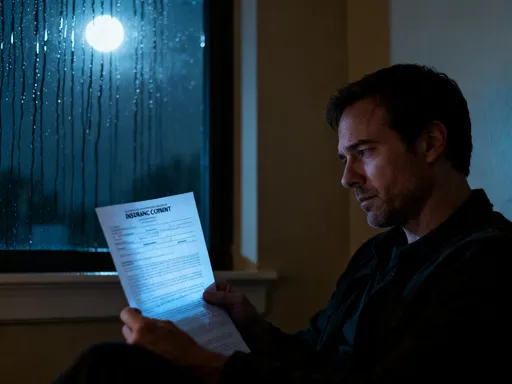
For years, stress crept into every corner of daily life, disguised as responsibility, duty, or simply doing what had to be done. Mornings began with a tight chest and a mind already racing through the day’s to-do list. Evenings ended with eyes open in the dark, replaying conversations, worrying about tomorrow, or lying still while the body refused to relax. The fatigue wasn’t just physical—it was mental and emotional, a slow erosion of joy and presence. Simple tasks felt overwhelming, and small frustrations sparked disproportionate reactions. Irritability became a constant companion, and concentration slipped like sand through fingers.
There was no single crisis that marked the breaking point—just a gradual accumulation. One ordinary Tuesday, standing in the kitchen making breakfast for the family, I realized I couldn’t remember the last time I had felt truly calm. My shoulders were permanently hunched, my jaw clenched without notice. I snapped at my child over a spilled glass of milk, then immediately burst into tears. That moment was not about the milk—it was the overflow of months, maybe years, of unmanaged pressure. I had been functioning, yes, but not living. The body keeps score, and mine was sending urgent signals: something had to change.
What made it harder was the silence surrounding it. There was no visible injury, no diagnosis to explain the exhaustion. To others, life looked fine—children cared for, meals prepared, work completed. But inside, there was a quiet unraveling. The guilt of feeling overwhelmed when everything seemed under control only deepened the burden. It wasn’t until I acknowledged that stress was not a personal failing, but a physiological and psychological response to prolonged demands, that I could begin to approach it with compassion rather than criticism.
Understanding Stress: Not Just "Being Tired"
Stress is often misunderstood as simply being tired or having a busy schedule. In reality, it is a complex biological process rooted in the body’s survival mechanisms. When the brain perceives a threat—whether it’s a looming deadline, financial pressure, or an argument—the hypothalamus activates the sympathetic nervous system, triggering the release of stress hormones like cortisol and adrenaline. This is the well-known “fight-or-flight” response, designed to prepare the body for immediate action: heart rate increases, muscles tense, breathing quickens, and non-essential functions like digestion slow down.
In short bursts, this response is helpful and even necessary. It sharpens focus and mobilizes energy to meet challenges. But when stress becomes chronic—when the body remains in a heightened state for days, weeks, or months—the system becomes overtaxed. The constant flood of stress hormones disrupts sleep, weakens the immune system, contributes to weight gain, and increases the risk of conditions like high blood pressure and anxiety disorders. The brain itself changes under prolonged stress, with the amygdala (the fear center) becoming more reactive and the prefrontal cortex (responsible for decision-making and emotional regulation) less effective.
It’s important to recognize that chronic stress is not a sign of weakness or poor character. It is the body’s natural reaction to sustained pressure without adequate recovery. Modern life often demands constant availability, multitasking, and emotional labor—especially for women managing households, careers, and caregiving roles—without built-in pauses for restoration. Understanding stress as a physiological process, not a personal flaw, is the first step toward addressing it with effective, science-backed strategies rather than shame or denial.
Why Conventional Advice Falls Short
When stress becomes overwhelming, the advice we often hear is well-intentioned but rarely sufficient. “Just relax,” “take a deep breath,” or “you’ll be fine” may be meant to comfort, but they rarely address the root of the problem. These suggestions assume that relaxation is a switch we can flip at will, ignoring the reality that a nervous system stuck in survival mode cannot simply choose to calm down. For someone in the grip of chronic stress, being told to “chill out” can feel dismissive, even invalidating.
Another common gap is the mismatch between advice and daily life. Recommending an hour-long yoga session or a week-long vacation may sound ideal, but for a mother juggling work, children, and household responsibilities, such solutions are often impractical. The real challenge isn’t knowing what to do—it’s finding ways to do it within the constraints of a full, demanding schedule. Generic tips fail when they don’t account for individual circumstances, energy levels, or access to resources.
Moreover, many stress-management strategies are presented as one-size-fits-all, ignoring the fact that what works for one person may not work for another. Some find meditation calming, while others feel more agitated sitting still. Some benefit from talking through their feelings, while others need physical activity to release tension. The key is not to adopt every popular method, but to find a few sustainable, evidence-based practices that fit naturally into daily life. Lasting change comes not from dramatic overhauls, but from small, consistent actions that gradually retrain the nervous system.
My Three Core Practices That Actually Worked
After years of feeling helpless, I began experimenting with strategies grounded in neuroscience and clinical psychology. Three practices emerged as both effective and manageable, even on the busiest days. These are not quick fixes, but tools that, when used consistently, help recalibrate the body’s stress response and build resilience over time.
The first is structured breathing. Unlike vague suggestions to “breathe deeply,” this involves a specific, timed pattern: inhaling slowly through the nose for four counts, holding for four, exhaling through the mouth for six, and pausing for two before the next breath. This 4-4-6-2 rhythm activates the parasympathetic nervous system, which counteracts the fight-or-flight response. I started with just two minutes in the morning and two at night. Over time, I noticed my resting heart rate slowed, and moments of panic became less frequent. The beauty of this practice is its accessibility—it requires no equipment, can be done anywhere, and fits into small pockets of time, like waiting for the kettle to boil or sitting in the car before entering the house.
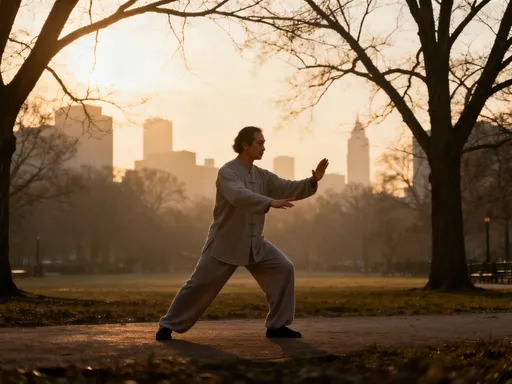
The second practice is daily movement, defined broadly and without pressure. I let go of the idea that exercise must mean gym sessions or intense workouts. Instead, I committed to 20 minutes of gentle, intentional movement each day—walking the dog, stretching while listening to a podcast, or doing a short online routine designed for low energy. Movement helps metabolize stress hormones and increases the production of endorphins, natural mood lifters. What made this sustainable was reframing it not as a chore or a way to “burn calories,” but as a form of self-care, a way to reconnect with the body rather than punish it.
The third and most surprising tool was scheduled “worry time.” Instead of letting anxious thoughts intrude at all hours, I set aside 15 minutes each afternoon to write down every concern, big or small. During that time, I allowed myself to think through each item, make notes, or plan next steps. Outside of that window, when worries arose, I acknowledged them mentally but deferred them: “I’ll think about that during worry time.” This simple boundary reduced the constant mental chatter and gave me a sense of control. It didn’t eliminate stress, but it contained it, making it feel more manageable.
The Ripple Effect: Unexpected Improvements
What surprised me most was how small changes created a cascade of positive effects. Better sleep came first—falling asleep became easier, and I woke up feeling more rested. This, in turn, improved my focus and patience during the day. I found myself listening more fully during conversations, not just waiting for my turn to speak. The constant background noise of anxiety began to quiet, replaced by moments of genuine presence.
Physical tension, especially in the neck and shoulders, gradually eased. I realized how much energy I had been wasting holding my body in a state of readiness. As muscle tension decreased, so did headaches that had become routine. My digestion improved, likely because the body was no longer prioritizing survival over basic functions. Even my skin looked clearer, a reminder that stress manifests in visible ways.
Emotionally, I became more resilient. Small setbacks—like a missed appointment or a burnt dinner—no longer triggered disproportionate frustration. I responded with more flexibility and less self-criticism. This emotional stability created space for joy to return. I began noticing small pleasures again: the warmth of sunlight through the window, the sound of children laughing, the satisfaction of a task completed. These moments had always been there, but stress had muted them.
Perhaps the most powerful shift was in motivation. As I experienced the benefits of these practices, I became more willing to invest in other healthy habits—drinking more water, preparing nourishing meals, setting boundaries with time. It wasn’t about perfection, but about momentum. Each small win reinforced the belief that change was possible, making it easier to keep going even on difficult days.
Building Resilience: Making It Last
Managing stress is not a one-time event but an ongoing practice. The goal shifted from crisis management to building long-term resilience. One key strategy was habit stacking—linking new behaviors to existing routines. For example, I paired my breathing exercise with morning tea, and movement with listening to a favorite podcast. These anchors made the practices easier to remember and more likely to stick.
Another important factor was environment design. I created small cues to support my goals: placing walking shoes by the door, keeping a journal on the kitchen table, and setting a daily phone reminder for worry time. These subtle changes reduced the mental effort required to follow through. I also learned to plan for obstacles—knowing that busy evenings often disrupted routines, I moved some practices to the morning when consistency was higher.
Perhaps the most transformative mindset shift was embracing self-compassion. There were days when I skipped breathing exercises, forgot worry time, or stayed on the couch instead of moving. In the past, these lapses would have led to guilt and abandonment of the whole effort. Now, I learned to treat them as part of the process, not failure. Progress is rarely linear. What matters is returning to the practice, not achieving perfection. This gentle approach made the journey sustainable, reducing the pressure that often fuels stress in the first place.
A New Relationship with Stress
Today, stress still shows up—it always will. Deadlines, family needs, and unexpected challenges are part of life. But my relationship with stress has changed. It is no longer an enemy to be defeated, but a signal to be noticed and responded to with care. When tension rises, I recognize it as information: my body is asking for a pause, a breath, a moment of attention. I respond not with fear, but with tools I’ve learned to trust.
Healing is not about eliminating stress entirely—that is neither possible nor desirable. Healthy stress motivates, focuses, and helps us grow. The goal is not a stress-free life, but a life where stress does not take over. It’s about building a toolkit that allows for recovery, balance, and resilience. And when self-directed strategies aren’t enough, seeking support from a therapist or healthcare provider is not a sign of failure, but a wise and responsible choice.
This journey taught me that small, consistent actions have the power to transform well-being. You don’t need hours of free time or dramatic changes to make a difference. You need only the willingness to begin, one breath, one step, one moment at a time. If you’re feeling overwhelmed, know this: you are not broken. You are human. And healing, in all its quiet, gradual beauty, is possible.