Why Tai Chi Helped Me Heal — And What Almost Ruined It
After a minor injury left me stiff and frustrated, I turned to tai chi for rehabilitation. The slow movements felt odd at first, but within weeks, my flexibility and balance improved noticeably. It wasn’t magic — just consistent practice. But I made mistakes early on that slowed my progress. If you're using tai chi for recovery, knowing these pitfalls could save you time, effort, and disappointment. Let me share what I learned the hard way.
My First Steps into Tai Chi for Recovery
It started with a simple fall — nothing serious, just a misstep on wet pavement that pulled a muscle in my lower back. What followed, however, was more troubling than the injury itself: a growing stiffness that made everyday movements uncomfortable. Bending to tie my shoes, reaching for a shelf, even standing up from a chair became minor challenges. My doctor recommended gentle movement to support healing, and after some research, I settled on tai chi. I had seen older adults practicing it in parks, moving slowly and gracefully, and something about the calm discipline intrigued me.
At first, I was skeptical. How could slow, deliberate motions possibly help rebuild strength or improve mobility? I expected quick fixes — physical therapy, painkillers, maybe a heating pad. But tai chi was different. It asked for patience. My first session, guided by a beginner’s video online, felt awkward. My balance wavered, my arms didn’t flow smoothly, and I struggled to coordinate breath with motion. Yet, by the end, I noticed something unexpected: a quietness in my mind. The constant hum of worry about my recovery had eased, if only for a few minutes.
Within two weeks, physical changes began to appear. My range of motion improved. The stiffness in my lower back lessened, especially in the mornings. I could stand straighter without discomfort. More surprisingly, I felt more grounded — not just physically, but emotionally. The frustration I had carried since the injury started to lift. I wasn’t cured, but I was moving forward. That progress, small as it was, gave me hope. It also made me eager — perhaps too eager — to push further, faster. That eagerness, I would soon learn, was one of the first traps I fell into.
The Hidden Risks Nobody Warns You About
Many people assume tai chi is completely safe — a gentle practice with no risks. While it is low-impact and suitable for most age groups, this perception of harmlessness can be misleading. Like any physical activity, tai chi requires proper form and awareness. When practiced incorrectly, even slow movements can lead to strain, particularly in the knees, hips, and lower back. I learned this the hard way after attempting a deep horse stance without understanding proper alignment. Within days, I felt a persistent ache in my left knee — a setback that could have been avoided.
One of the most common misconceptions is that because tai chi is slow, it doesn’t require effort or preparation. In reality, maintaining correct posture through extended holds engages deep stabilizing muscles that many people don’t regularly use. Without prior conditioning, these muscles fatigue quickly, leading to compensatory movements that increase injury risk. For someone in recovery, especially with pre-existing joint issues or limited mobility, this can undermine healing rather than support it.
Another overlooked danger is overdoing it too soon. Because the movements feel gentle, it’s easy to assume you can practice for long durations without consequences. I started with 10-minute sessions but quickly increased to 45 minutes daily, believing more was better. Instead of accelerating recovery, this led to muscle soreness and mental burnout. My body needed time to adapt, and I hadn’t given it that space. Additionally, individuals with conditions like osteoporosis, severe arthritis, or balance disorders should approach certain stances and transitions with caution. What works for a healthy senior may not be appropriate for someone actively rehabilitating an injury.
The key is recognizing that tai chi, while therapeutic, is still a physical discipline. It demands attention to detail, just like any other form of exercise. Ignoring these nuances can turn a healing practice into a source of new discomfort. Awareness of personal limitations and a willingness to modify movements are essential for safe and effective practice.
Why Technique Matters More Than You Think
Tai chi is often described as moving meditation, but it is also a precise physical art. Every shift in weight, every angle of the foot, and every position of the spine contributes to the overall effectiveness of the practice. Poor technique may not cause immediate pain, but over time, small errors compound. For example, allowing the knees to extend past the toes during a bow stance places unnecessary pressure on the joint. Similarly, rounding the back during forward movements can strain the lumbar spine, especially in those with prior back injuries.
One of the most critical elements is alignment. Proper alignment ensures that force is distributed evenly through the body, minimizing stress on any single joint. In tai chi, this means keeping the spine upright, the shoulders relaxed, and the pelvis slightly tucked — what practitioners often call the “central equilibrium.” When I first began, I didn’t realize how much tension I carried in my shoulders. I held them slightly raised, thinking I was staying alert, but this created neck strain and disrupted my balance. It wasn’t until a trained instructor pointed it out that I understood how such a small habit could undermine my progress.
Practicing without feedback is one of the biggest risks for beginners. Videos and apps can be helpful, but they cannot correct subtle misalignments. I spent weeks performing a seemingly simple weight shift incorrectly, only to discover later that I was favoring one leg, which led to uneven muscle development. Without someone to observe and guide, it’s easy to reinforce bad habits. Signs that your form may be off include persistent joint discomfort, difficulty maintaining balance, or feeling strain in muscles that shouldn’t be engaged. These are not normal parts of the process — they are signals to reassess.
Improving technique requires patience and humility. It means accepting that mastery comes gradually and that even small adjustments matter. Working with a qualified instructor, even for just a few sessions, can make a significant difference in building a safe and effective foundation. Precision in movement isn’t about perfection — it’s about protecting your body while maximizing the therapeutic benefits of the practice.
The Trap of Impatience and Unrealistic Expectations
One of the most challenging aspects of rehabilitation is managing expectations. In a culture that values speed and efficiency, the idea of slow, incremental progress can feel unsatisfying. I wanted to see dramatic improvements within days, not weeks or months. When that didn’t happen, I questioned whether tai chi was working at all. This impatience led me to push harder, skip rest days, and compare myself to others in class — all of which created more setbacks than gains.
Recovery is not linear. Some days bring noticeable improvements; others feel like steps backward. The danger of impatience lies in misinterpreting these fluctuations as failure. I remember one week when my balance felt worse than before. Discouraged, I considered quitting. But looking back, I realized that week coincided with poor sleep and increased stress — factors that affect physical performance just as much as technique. Healing is influenced by many variables, and progress often happens beneath the surface, in ways that aren’t immediately visible.
Comparing myself to others was another confidence drain. In class, I saw women decades older moving with fluidity and control, and I felt inadequate. What I didn’t know was that many had practiced for years. Tai chi is not a competition. Each person’s journey is shaped by their body, history, and pace. Letting go of comparison allowed me to focus on my own path and appreciate small victories — like holding a stance for an extra breath, or noticing that I no longer needed to hold the counter while turning.
What truly made the difference was consistency, not intensity. Practicing for 15 minutes every day yielded better results than an hour once a week. Regularity helped my body adapt, my mind stay engaged, and my confidence grow. Instead of chasing big milestones, I began tracking subtle changes: improved posture, easier breathing, fewer moments of sharp pain. These quiet indicators were the real markers of progress. Learning to trust the process, rather than demand immediate results, transformed my relationship with tai chi — and with my own healing.
Finding the Right Teacher (Or Knowing When to Walk Away)
Not all tai chi instructors are trained to work with individuals in recovery. Some focus on martial applications, others on performance or tradition. While these approaches have value, they may not prioritize safety, modification, or therapeutic principles. Early on, I joined a community class that welcomed beginners but assumed a baseline level of mobility. The instructor demonstrated movements quickly and offered minimal corrections. I followed along, unaware that my form was flawed, until a friend who practiced therapeutic tai chi noticed my knee alignment and expressed concern.
This experience taught me to evaluate instructors carefully. Red flags include classes that don’t allow modifications, instructors who don’t ask about physical limitations, or programs that discourage questions. A good therapeutic tai chi teacher should assess your needs, offer alternatives for difficult movements, and emphasize safety over aesthetics. They should also be willing to communicate with your healthcare provider if needed.
Before joining a class, it’s important to ask specific questions: Do you have experience working with people recovering from injuries? Can you adapt movements for limited mobility or joint pain? Do you focus on alignment and breath? Are there opportunities for individual feedback? These questions help determine whether the instructor understands the rehabilitative aspect of tai chi.
If in-person guidance isn’t available, alternatives exist. Some physical therapists incorporate tai chi principles into rehabilitation programs. Online courses from reputable organizations, such as those affiliated with medical centers or national tai chi associations, can also be valuable. Look for programs that include live feedback, detailed instruction, and a focus on therapeutic application. The goal is not just to learn movements, but to learn them safely and effectively. If a class or instructor doesn’t support that, it’s okay to walk away. Your recovery is too important to compromise.
Integrating Tai Chi Into a Broader Recovery Plan
Tai chi should not be viewed as a replacement for medical care or physical therapy. Instead, it works best as a complementary practice. My doctor emphasized this from the start: tai chi could support my recovery, but it couldn’t address structural issues or replace targeted rehabilitation exercises. By integrating tai chi with professional guidance, I created a balanced approach that honored both movement and medical science.
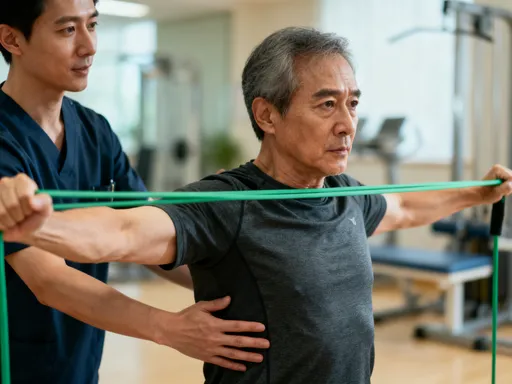
I continued seeing my physical therapist while practicing tai chi at home. The two practices reinforced each other. Physical therapy focused on specific muscle activation and joint mobilization, while tai chi improved overall coordination, balance, and body awareness. For example, an exercise to strengthen my glutes was more effective when combined with tai chi’s emphasis on weight shifting and pelvic alignment. The mindfulness component also helped me tune into my body’s signals, making it easier to identify when I was pushing too hard.
Safety is crucial when combining practices. I learned to space out intense sessions, avoiding tai chi on days when I had rigorous physical therapy. I also incorporated gentle walking and stretching to maintain circulation and flexibility. Listening to my body became my primary guide. Some days, I modified stances or shortened my practice. Other days, I felt strong enough to explore new movements. This flexibility prevented burnout and supported sustainable progress.
Communication with my healthcare team was essential. I shared my tai chi routine with my doctor and physical therapist, who offered adjustments based on my progress. They reminded me that healing is multidimensional — it involves physical, mental, and emotional components. Tai chi addressed all three, but it worked best within a coordinated plan. By treating it as one piece of a larger puzzle, I avoided overreliance and ensured a safer, more effective recovery.
Long-Term Gains: Beyond Physical Healing
Months into my practice, I realized that tai chi had changed more than just my physical condition. The benefits extended into my daily life in ways I hadn’t anticipated. My sleep improved — I fell asleep faster and woke up feeling more rested. I attributed this to the calming effect of the practice, particularly the focus on slow, rhythmic breathing. Stress no longer settled in my shoulders the way it used to. I felt more present, more capable of handling daily challenges without becoming overwhelmed.
Mental clarity increased as well. The concentration required to coordinate movement and breath strengthened my focus. I noticed it in small ways — staying attentive during conversations, remembering tasks more easily, feeling less mentally scattered. This wasn’t just about relaxation; it was about building resilience. Tai chi taught me to move through discomfort with awareness, a skill that translated into emotional patience and self-compassion.
Building a sustainable habit required intention. I started with short sessions and gradually increased duration as my stamina improved. I chose a consistent time each day — mornings, when the house was quiet — which helped anchor the practice into my routine. On days when motivation was low, I reminded myself that even five minutes of mindful movement counted. This flexibility prevented guilt and supported long-term adherence.
Today, I no longer see tai chi as just a tool for recovery. It has become a lifelong practice — a way of moving, breathing, and being that supports overall well-being. It taught me that healing is not a destination, but an ongoing process of listening, adjusting, and caring for myself with intention. The injury that started this journey was a setback, but the lessons I’ve gained have been invaluable.
Tai chi offered real rehabilitation benefits — but only once I avoided the common traps that nearly derailed my progress. With better awareness, proper technique, and realistic goals, it can be a powerful tool for recovery. Always consult a medical professional before starting, and remember: healing is a journey, not a quick fix. Done right, tai chi isn’t just about movement — it’s about relearning how to move with purpose and care.