How I Calmed My Heart Without Medication – A Real Talk on Emotions and Circulation
You know that tight feeling in your chest when stress hits? It’s not just in your head — it’s in your heart. I used to think cardiovascular health was only about diet and exercise, but my own struggles taught me otherwise. Emotions play a silent yet powerful role in how our heart functions. This is my story of discovering how managing emotional turbulence can support heart wellness — naturally, gently, and effectively — without replacing medical advice, but working alongside it. What I learned wasn’t from a lab or a prescription bottle, but from listening to my body when it whispered — and then screamed — for attention.
The Hidden Link Between Stress and Heart Health
For years, heart health was framed to me as a numbers game: cholesterol levels, blood pressure readings, resting heart rate. I tracked them diligently, adjusted my meals, walked daily, and thought I was doing enough. But I overlooked a critical player — my emotional state. The truth is, the heart is not just a mechanical pump. It’s an organ deeply attuned to the signals it receives from the nervous system, which in turn responds powerfully to our emotions. When we experience stress, whether from a work deadline, family tension, or unresolved grief, the body doesn’t distinguish between physical threat and emotional distress. It activates the same survival mechanisms.
Chronic stress keeps the body in a prolonged state of alert. The hypothalamus signals the adrenal glands to release cortisol and adrenaline, hormones designed for short bursts of energy during danger. But when these chemicals flood the system day after day, they take a toll. Blood vessels constrict, heart rate increases, and blood pressure rises. Over time, this constant strain can contribute to inflammation in the arteries, reduced heart rate variability, and increased risk of cardiovascular events. Studies have shown that individuals with high levels of anxiety or chronic emotional suppression are more likely to develop hypertension and other heart-related conditions, even in the absence of traditional risk factors like smoking or poor diet.
What makes this connection so insidious is that it often goes unnoticed. You might eat well and exercise, yet still feel that low hum of tension in your chest, the occasional skipped beat, or unexplained fatigue. These aren’t imaginary symptoms. They are physiological responses to emotional load. Recognizing this link doesn’t mean blaming yourself for your heart health — far from it. It means expanding our understanding of wellness to include the mind and emotions as integral parts of the cardiovascular system. The heart doesn’t operate in a vacuum. It listens — and responds — to the stories we carry inside.
My Wake-Up Call: When Anxiety Felt Like a Heart Attack
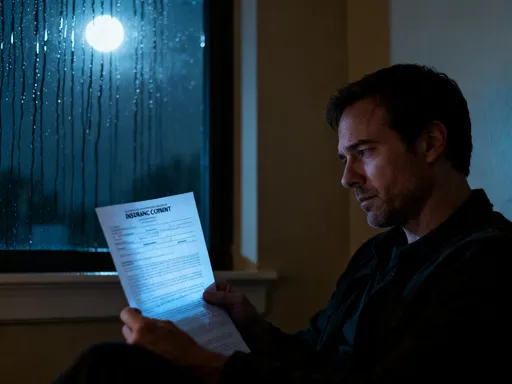
It happened at 3 a.m. I woke up gasping, my chest clenched like a fist, heart pounding so hard I could feel it in my throat. My arms tingled, and a wave of dread washed over me. I was certain I was having a heart attack. My husband drove me to the emergency room, where I was hooked up to monitors, given an EKG, and ran through a battery of tests. After hours of waiting, the doctor returned with calm eyes and said, “Your heart is fine. There’s no sign of damage or blockage.”
Relief flooded me — followed quickly by confusion. If my heart wasn’t failing, why did it feel like it was? The doctor explained that what I experienced was likely a panic attack, triggered by stress and sleep deprivation. He didn’t dismiss my symptoms — in fact, he emphasized that they were real and physically intense — but the root cause wasn’t cardiac damage. It was emotional overload.
That moment changed everything. I had always thought of anxiety as a mental health issue, separate from my physical body. But lying there with electrodes on my chest, I realized my heart had been reacting to years of unprocessed stress, bottled-up worries, and the habit of pushing through exhaustion. I had been treating my body like a machine that could run indefinitely without maintenance, ignoring the emotional wear and tear. The panic attack wasn’t a sign of weakness — it was a warning. My body was asking for rest, for honesty, for a different kind of care. And if I wanted to protect my heart, I needed to start paying attention not just to what I ate, but to how I felt.
Why Emotion Management Is Heart Care
Once I began to see emotions as part of my heart’s environment, everything shifted. I stopped viewing feelings like anxiety, sadness, or frustration as problems to be suppressed or ignored. Instead, I started treating them as signals — important data about my inner state. Just as a car’s dashboard lights warn of engine trouble, emotional discomfort can indicate that something in our life is out of balance. When we ignore those signals, the body keeps compensating, and the heart bears the cost.
Emotional regulation isn’t about becoming emotionless. It’s about creating space between feeling and reaction. When we react impulsively to stress — snapping at a loved one, ruminating on a conflict, or numbing ourselves with screens or food — we keep the nervous system in overdrive. This constant activation increases the cardiovascular workload. On the other hand, when we pause, acknowledge our emotions, and respond with awareness, we send a message of safety to the body. The parasympathetic nervous system engages, heart rate slows, and blood pressure begins to normalize.
Think of the heart as a sensitive instrument, finely tuned to the rhythms of the mind. When the mind is chaotic, the heart stumbles. When the mind finds calm, the heart settles into a steady, efficient beat. This is not metaphysical — it’s measurable. Heart rate variability (HRV), a marker of cardiovascular resilience, improves when we practice emotional regulation techniques like mindfulness and deep breathing. Higher HRV is associated with better stress tolerance and lower risk of heart disease. By learning to manage our emotional responses, we aren’t just improving our mental well-being — we are giving our heart a chance to rest, recover, and function optimally.
Simple Daily Shifts That Actually Work
After my ER visit, I knew I needed change — but I didn’t want another complicated regimen. I wanted something sustainable, something I could weave into the chaos of daily life. What I discovered were small, consistent practices that didn’t require hours of meditation or drastic lifestyle overhauls. These weren’t cures, but supports — gentle tools to help my nervous system recalibrate.
The first was conscious breathing, specifically the 4-7-8 method. Inhale for four counts, hold for seven, exhale slowly for eight. I started doing this for just two minutes before bed and during lunch breaks. At first, it felt awkward, even silly. But within days, I noticed my shoulders dropping, my jaw unclenching. This simple act signals the brain that danger has passed, triggering the relaxation response. It doesn’t eliminate stress, but it interrupts the cycle of constant arousal, giving the heart a chance to reset.
The second shift was daily emotional reflection. Every evening, I spent five minutes journaling — not about tasks or to-do lists, but about how I felt. Just one emotion, named and acknowledged: “Today, I felt overwhelmed.” “I carried guilt about saying no.” This practice wasn’t about analysis or fixing. It was about validation. When emotions are seen and named, they lose some of their power to surge beneath the surface and erupt physically. Over time, this small ritual reduced the background hum of anxiety that used to linger in my chest.
The third was setting emotional boundaries. I realized I was saying yes to too many things — extra projects, social obligations, family demands — not because I wanted to, but because I feared disappointing others. This pattern created a slow burn of resentment and exhaustion. So I began practicing gentle but firm boundaries: “I can’t take that on right now.” “I need some quiet time this evening.” Protecting my emotional energy wasn’t selfish — it was protective. And each time I honored my limits, I felt a subtle release in my body, as if my heart could finally stop bracing for the next demand.
The Role of Movement and Stillness
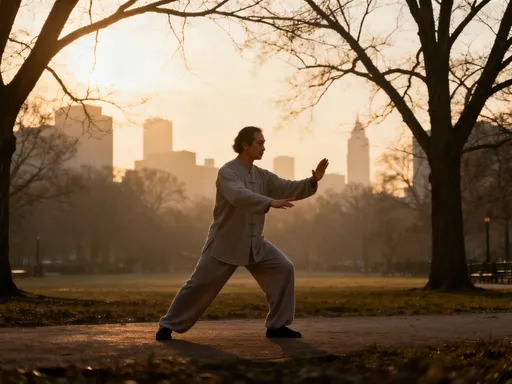
Physical activity has long been praised for heart health, and rightly so. But I’ve come to appreciate that not all movement is equal when it comes to emotional regulation. While intense workouts have their place, I found that gentle, rhythmic motion had a more immediate calming effect on my nervous system. A 20-minute walk in the neighborhood, stretching while listening to soft music, or even swaying to a favorite song in the kitchen — these small acts helped my body process the stress hormones that had built up during the day.
Movement helps the body metabolize cortisol and adrenaline. When we sit still under stress, these chemicals circulate without an outlet, keeping the heart on high alert. But when we move — even lightly — we signal that we are not frozen in danger. The body begins to relax, and the heart follows. I made it a habit to step outside after work, even if just for five minutes. The combination of fresh air, natural light, and gentle motion became a daily reset button.
Equally important was stillness. In a world that glorifies busyness, carving out time to do nothing felt radical. But I learned that stillness isn’t laziness — it’s maintenance. Ten minutes of sitting quietly, focusing on my breath or simply observing the room, allowed my mind to slow down and my emotions to settle. This wasn’t about achieving a blank mind, but about creating space. Over time, these moments of quiet reduced the emotional backlog that used to spill over into physical symptoms. Both movement and stillness, in their own ways, taught my nervous system that I was safe — and that lesson echoed in the steady rhythm of my heartbeat.
Environment and Emotional Load
We often focus on internal work — our thoughts, habits, and feelings — but our external environment plays a huge role in our emotional state. I began to notice how certain spaces and routines amplified my stress. A cluttered kitchen, a noisy household, or an endless scroll through news and social media left me feeling scattered and on edge. These weren’t crises, but they created a low-grade, constant emotional load that my heart responded to.
I started making small environmental changes. I designated the bedroom as a phone-free zone after 8 p.m. This simple rule reduced nighttime mental chatter and improved my sleep — a critical factor in heart health. I cleared a small corner of the living room to create a calming space with a comfortable chair, a soft blanket, and a few plants. Just having a dedicated place to pause made a difference.
I also became more intentional about my media consumption. I limited news intake to once a day and unfollowed accounts that triggered comparison or anxiety. These digital boundaries reduced the sense of overwhelm and helped me feel more grounded. Conversations mattered too. I noticed how certain interactions — even brief ones — left me feeling drained. I began to protect my energy by limiting time with people who were consistently critical or dismissive, not out of anger, but out of self-care.
These changes didn’t transform my life overnight, but they reduced the background noise. Less emotional clutter meant less strain on my system. And when the heart isn’t constantly responding to environmental stressors, it can focus on what it does best — keeping us alive, one steady beat at a time.
When to Seek Help — And Why It’s Strength, Not Weakness
As much as I value self-care, I’ve learned that it doesn’t mean doing everything alone. There was a time when I thought asking for help was a sign of failure — that if I just tried harder, breathed deeper, or journaled more, I could fix everything myself. But that mindset only led to more pressure. The truth is, emotional and heart health are too important to navigate in isolation.
When symptoms persist — ongoing chest tightness, frequent panic, trouble sleeping, or a sense of constant dread — it’s essential to consult professionals. A cardiologist can rule out physical causes and provide peace of mind. A therapist can help unpack emotional patterns, trauma, or anxiety disorders with evidence-based approaches like cognitive behavioral therapy. These are not last resorts — they are vital parts of a comprehensive wellness plan.
Seeking help isn’t admitting defeat. It’s an act of courage and responsibility. Just as we wouldn’t hesitate to see a doctor for a broken bone, we shouldn’t hesitate to seek support for emotional pain that affects our physical health. I eventually started seeing a therapist, not because I was broken, but because I wanted to understand myself more deeply. That decision didn’t replace my daily practices — it strengthened them. With professional guidance, I gained tools I couldn’t have found on my own.
And if medication is recommended, it doesn’t mean natural approaches have failed. Sometimes, the body needs additional support to regain balance. The goal isn’t to avoid medication at all costs — it’s to create a holistic plan that honors both the physical and emotional dimensions of health. Working with professionals doesn’t diminish your efforts — it amplifies them.
Taking care of your heart isn’t just about what you eat or how much you run. It’s also about how you feel — and what you do with those feelings. By treating emotions as part of heart health, not separate from it, we gain a more complete, human approach to wellness. This isn’t a cure, but a shift — one breath, one moment, one honest feeling at a time. Your heart is listening. Are you?